How to Host a Tailgate Party: A Complete Game-Day Planning Guide
Everything you need to plan a great tailgate — guest lists, food quantities, gear checklists, setup tips, and RSVPs before the big game.
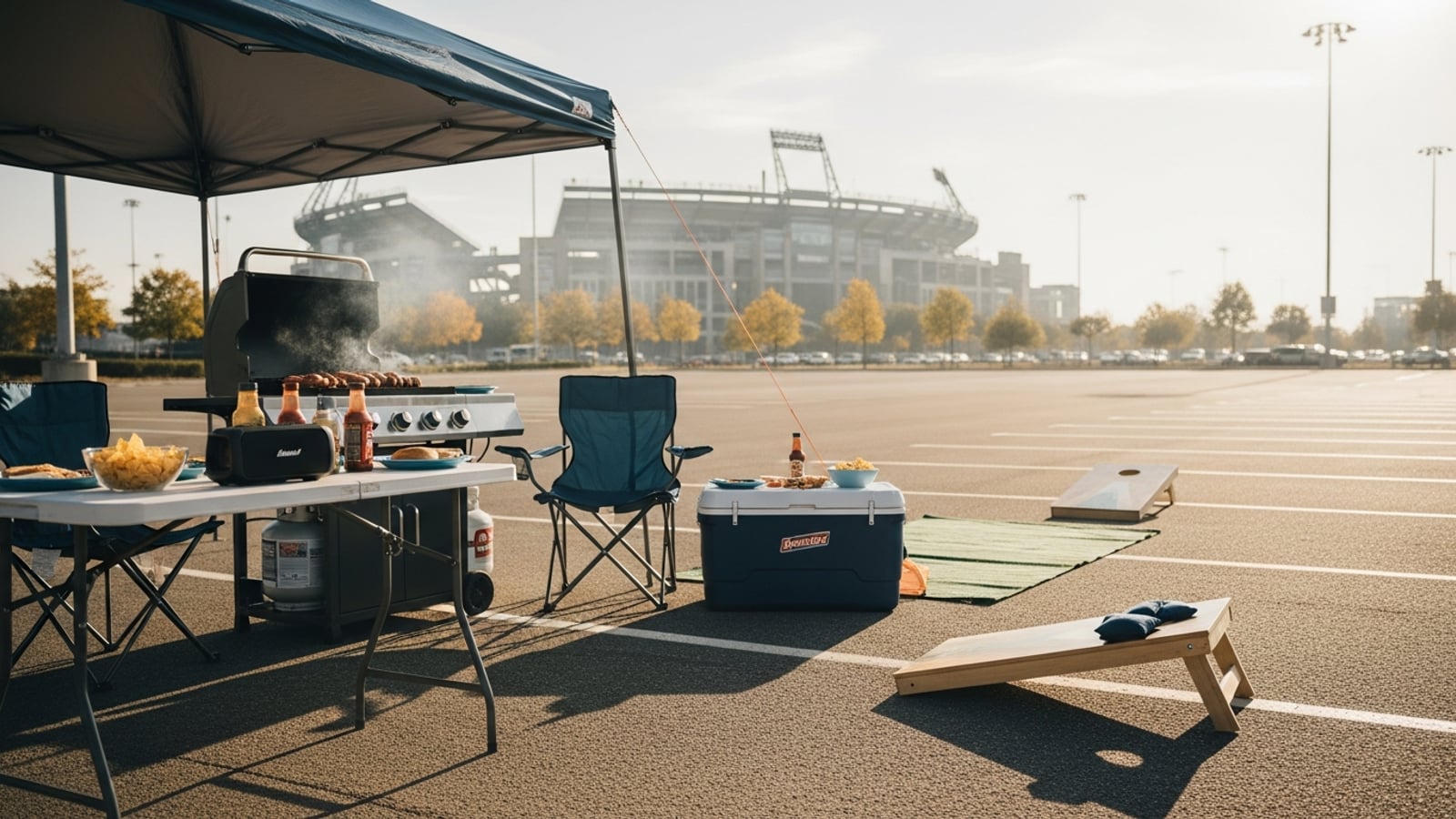
A tailgate party is one of those rare events where the pregame can outshine the main event. Getting it right means knowing your headcount well in advance, arriving with the right gear, and having food ready before your guests get hungry standing in a parking lot. Here is how to plan one that actually comes together.
Lock In Your Headcount Before You Buy Anything
The single biggest mistake tailgate hosts make is buying supplies without knowing how many people are coming. Food, ice, cooler space, and parking logistics all scale directly with your guest count — and tailgate food is notoriously hard to scale up at the last minute when you are already in the parking lot.
Send your invitations at least two to four weeks before the game. For a casual tailgate, a sports viewing party RSVP page lets guests confirm quickly and lets you track your headcount in one place. Set a clear RSVP deadline — at least five days before the game — so you can shop and prep with confidence. If you are coordinating a group where everyone brings something, ask guests to claim a food category when they RSVP so you do not end up with eight bags of chips and no protein.
Need a starting point? Create a free RSVP page for your tailgate and share the link in your group chat. It takes about two minutes and gives you a real response list instead of a messy thread of "I think I can make it" texts. When you do a final headcount check two to three days before the game, expect some soft "maybes" to fall off — plan food for your confirmed count, not your optimistic one.
Check the Rules at Your Venue
Not every stadium or arena allows tailgating — and those that do often have specific rules about grills, tents, alcohol, and arrival times. Check the venue's official website before you plan anything else. Common restrictions include:
- No charcoal grills in some lots (propane only, or no open flames at all)
- Tent size limits — many venues cap pop-ups at 10×10 feet
- Lot opening times — gates typically open two to four hours before kickoff; plan to arrive when the lot opens, not just before the game
- No glass bottles in parking areas at many venues
- Parking passes required — good spots sell out, so reserve yours when you buy your tickets
For at-home watch parties, none of this applies and you have complete control over setup. The same planning principles hold regardless of where you host.
The Gear Checklist
A well-stocked tailgate kit makes setup and cleanup dramatically easier. Build this kit once and store it together so you can grab it and go on game day.
- Shelter: 10×10 pop-up canopy tent with stakes and weights (fits most standard parking stalls for groups up to 10–12)
- Seating: folding camp chairs — one per guest, plus a few spares
- Tables: one or two lightweight folding tables for food and drinks
- Grill: portable propane grill with extra fuel; charcoal setup if the venue permits
- Coolers: keep at least two — one for drinks (opens constantly) and one for food and raw ingredients; a third for prepped sides is ideal
- Cooking tools: spatula, tongs, instant-read thermometer, pot holders, lighter
- Serving supplies: paper plates, sturdy cups, napkins, utensils, aluminum serving trays
- Cleanup: multiple trash bags, paper towels, hand sanitizer, a container for grease
- Entertainment: portable Bluetooth speaker, cornhole set or ladder toss
- Extras: sunscreen, bug spray, basic first aid kit, a small battery pack for phones
Food: What to Make and How Much
A 2022 survey by Hormel Foods (5,000 U.S. respondents) found that 72% of tailgaters say food selection can make or break the experience. Tailgate food needs to travel well, hold at temperature, and be easy to eat without a full table setting. Finger foods and handheld items win every time — guests are often standing, moving, and playing games between bites.
Best formats for tailgate food
- Grillables: burgers, hot dogs, brats, chicken thighs — cook fresh on-site for the best crowd reaction
- Make-ahead mains: chili, pulled pork, or queso dip made the night before and kept warm in a slow cooker or Dutch oven
- Cold snacks: chips and guacamole, loaded nachos, pasta salad, layered dips — prep containers the day before
- Finger foods: buffalo wings, sliders, jalapeño poppers — they heat quickly and are easy to eat standing up
How much food to buy
A general catering benchmark: plan for roughly one pound of total food per adult when serving a full spread of mains and sides. For proteins specifically:
- Boneless cuts (burgers, chicken breast, pulled pork): 6–8 oz per person when serving two or more sides
- Bone-in cuts (ribs, chicken legs): 10–12 oz per person — bone weight adds up significantly
- Add a 10–15% buffer on top of your calculated quantity — people eat more outdoors, especially on cold days, and you would rather have leftovers than run short
For drinks, plan for at least two drinks per person for a standard three-to-four-hour tailgate. Keep one two-liter of soda for roughly every three non-drinking guests. And for ice, plan one pound of ice per person in the drinks cooler — it depletes faster than you expect in a constantly opened cooler on a warm day.
Food Safety Basics
Food safety is the most commonly overlooked part of tailgate planning. The USDA recommends that perishable food should not sit unrefrigerated for more than two hours — and that window drops to one hour when outdoor temperatures exceed 90°F. Bacteria multiply rapidly in the 40°F–140°F danger zone, and a tailgate parking lot in August can push food into that range quickly.
- Keep cold foods at or below 40°F in coolers packed with plenty of ice
- Keep hot foods at or above 140°F using chafing dishes, slow cookers, or insulated containers pre-warmed with boiling water
- Store raw meat in sealed bags at the bottom of its cooler so juices cannot drip onto ready-to-eat food
- Never use the same platters or utensils for raw and cooked meat
- Bring hand sanitizer — warm water and soap for at least 20 seconds is ideal, but sanitizer is your backup in a parking lot
Setting Up Your Space
Arrive at the lot when it opens — typically two to four hours before kickoff — to claim your spot and set up before guests arrive.
- Pitch the tent first. It stakes your territory and gives everyone a visual home base.
- Position the grill downwind of where guests will be standing so smoke blows away from the seating area.
- Set up coolers next to the food table, away from the grill, so raw meat stays cold and separate from ready-to-eat items.
- Put out snacks immediately. Guests who arrive before the grill is hot need something to eat. Chips, dips, and a veggie tray can go out the moment you arrive.
- Designate a visible trash area with a bag open and ready. Guests use it if it is easy to find.
Games and Entertainment
The best tailgate games are compact, require no electricity, and work for mixed-skill groups. The classics hold up for a reason:
- Cornhole — the undisputed tailgate staple; boards fold flat for easy transport and play two to eight people
- Ladder toss — compact, fast to set up, quick to learn
- Kan Jam or Spikeball — more active options for groups that want to move around
- Giant Jenga — crowd-pleaser for all ages, works on any flat surface
Set up a Bluetooth speaker playing the home team's pregame playlist as soon as the tent is up. Music signals to nearby tailgaters that your setup is the one to be at.
Night-Before Prep Is Everything
Game day should feel like a party, not a cooking marathon. Do the real work the evening before:
- Marinate and season proteins; pack burger patties between sheets of wax paper
- Chop vegetables and prep toppings (onions, lettuce, tomato, jalapeños) into containers
- Make any make-ahead dishes — chili, pulled pork, potato salad, layered dips
- Pack non-perishables, gear, and paper goods into your kit so game day is just coolers and go
The same approach that works for a backyard cookout applies here. Our guide on backyard BBQ planning covers the full prep timeline in detail. If you are turning your tailgate into a potluck, our potluck planning guide walks through how to coordinate dishes without overlaps — the same coordination method works in a parking lot.
A Word on RSVPs for Informal Events
Tailgates feel casual, so hosts often skip the formal invite — and then spend game morning fielding texts about whether there is enough food and where to park. A simple RSVP link solves this. Send it when you buy your tickets, not three days before the game.
Check out how other hosts handle informal guest coordination in our guide on game night hosting — the headcount and logistics principles are directly transferable. Ready to get responses before the season starts? Set up your tailgate RSVP page in a couple of minutes, share the link, and show up to the lot knowing exactly how much food to grill.
Ready to create your event RSVP?
Build a beautiful event page in minutes. Share one link. Track every response in real time.
Create Your Free RSVP Link