
How to Host a Game Night: Games, Food, and RSVPs Made Easy
Planning a game night? Learn how to pick the right games, feed your guests well, manage RSVPs, and keep the energy up all night.
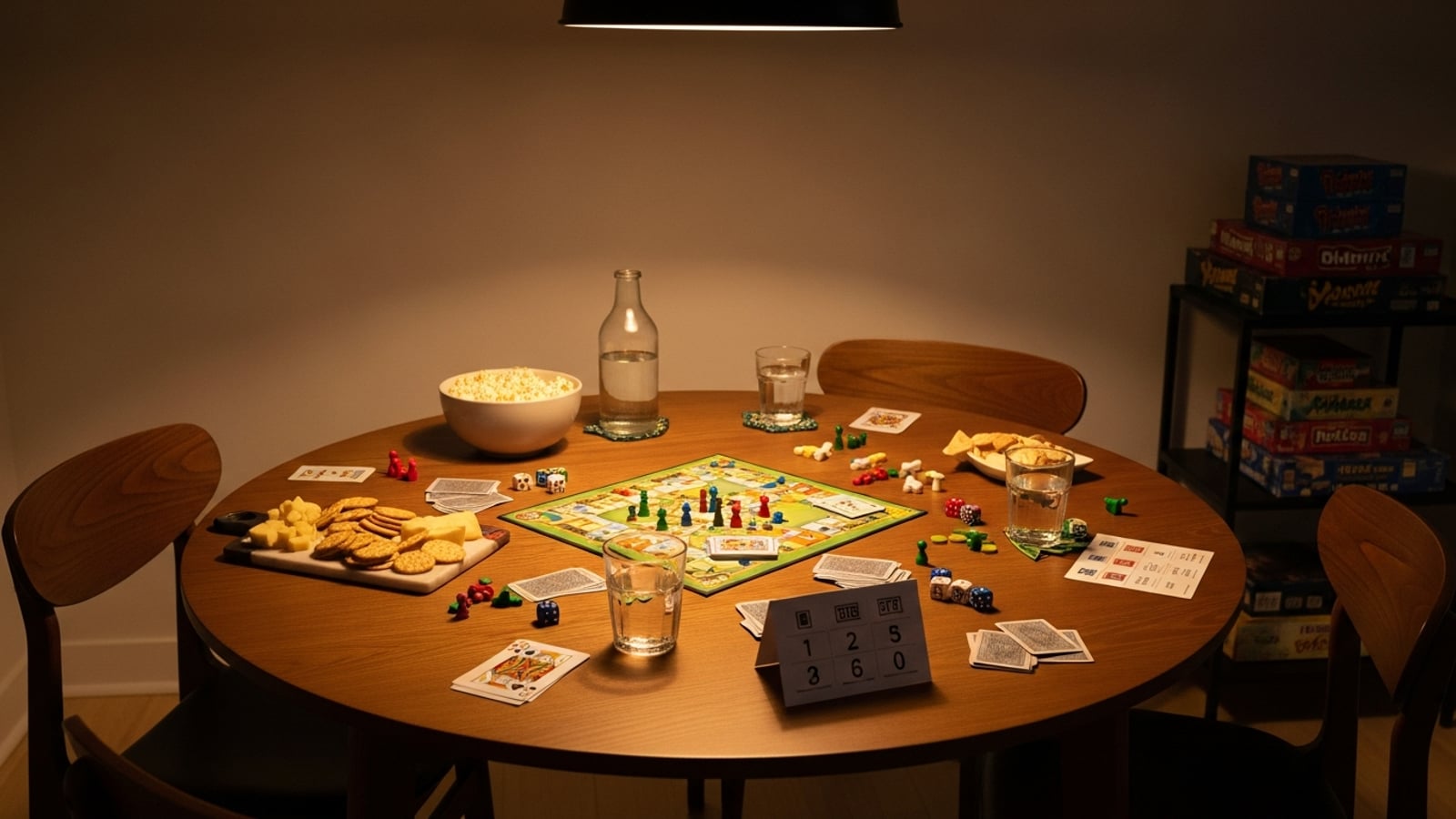
A game night sounds simple — pick a few games, invite some friends, order pizza. But anyone who has hosted one knows the pitfalls: too many people for the game, not enough table space, half the group arriving without RSVPing, and nobody knows the rules of the one game you picked. With a bit of upfront planning, none of that has to happen.
Start with the Right Guest Count
Guest count is the single biggest variable in game night planning because it determines which games you can actually play. Most popular board games work best with 4–6 players, while larger party games can handle groups up to 10 or 12. The sweet spot for a casual, everyone-plays-together game night is 6–10 guests: enough energy to feel like a party, small enough to stay in one group.
If you invite more than 12, plan for multiple simultaneous games at separate tables rather than one big group. This works, but it requires more game copies and more facilitation on your end.
Because game selection and food quantities depend directly on how many people show up, an RSVP link for your game night is more useful here than at almost any other type of gathering. "Maybe" is genuinely not helpful when you need to know whether you're playing a four-player game or an eight-player one.
Pick Your Games Before the Night
Don't leave game selection to the night of. Deciding by committee once everyone arrives eats time and often ends in no one being satisfied. Instead, come in with a plan:
- Choose a warm-up game. Something short, low-rules, and accessible — Codenames, Wavelength, a Jackbox party pack — gets everyone in the mood before you commit to something longer.
- Have a main event game. This is your two-hour centerpiece: Catan, Ticket to Ride, Coup, Dominion, or whatever fits your group's taste and experience level.
- Keep 1–2 backup games ready. Groups tire of games sooner than you expect. A quick filler game — Sushi Go, Skull, a standard card game — keeps things moving if energy drops between rounds.
Read the rules before your guests arrive, not during. Even a five-minute rules-reading while people are waiting to start kills momentum. If you are introducing a new game, watch a how-to-play video beforehand so you can explain it in under two minutes once everyone is seated.
Match difficulty to the group. If you have a mix of experienced gamers and first-timers, skip the heavy-strategy titles for a night. Social deduction games and trivia tend to land well with mixed groups because the rules are shallow but the play is genuinely competitive.
Set Up the Space Before Anyone Arrives
Think about table space first. A dining table that seats six comfortably for dinner may feel cramped once you add game boxes, cards, tokens, and drinks. Clear all non-essentials off the table before guests arrive. For larger groups, a folding table next to the main table gives you flex room without rearranging furniture mid-night.
Keep snacks within reach without crowding the game area. Dedicated snack zones — a side table, a counter, a coffee table nearby — let people graze without reaching across the board. Lighting matters more than most hosts expect: dim atmosphere lighting is cozy, but nobody can read their cards in candlelight. Bright overhead or task lighting is better for actual play.
Food That Works at a Game Table
The cardinal rule of game night food: nothing greasy, nothing that requires utensils. Greasy hands ruin cards and game pieces. A fork-and-knife meal means everyone stops playing for 20 minutes. Stick to foods people can grab with one hand while still holding cards in the other:
- Popcorn, pretzels, mixed nuts
- Veggies and dip, pita chips and hummus
- A cheese board and crackers
- Mini sandwiches or sliders
- Pizza slices (the one greasy exception worth making — just keep napkins handy)
If you want to do something more substantial, time it as a break between games rather than running concurrent with play. A 20-minute dinner break halfway through the night recharges everyone and is more enjoyable than juggling food and game pieces simultaneously.
For drinks, set up a self-serve station so guests are not asking you for refills mid-turn. Include non-alcoholic options — not everyone drinks, and having sparkling water or lemonade available is easy hospitality that guests notice.
When to Send Invitations
For a casual weeknight game night, two weeks' notice is usually enough. For a Saturday or holiday weekend, send invitations three to four weeks in advance — your friends who would most love game night tend to have full calendars.
A game night RSVP page keeps the logistics simple: one link, everyone responds in the same place, and you see the headcount without tracking down responses across texts and DMs. Include the date, start time, expected end time (this reassures guests with early mornings), your address, and whether anyone should bring something — a game they love, a snack to share, or a beverage of their choice.
Set your RSVP deadline three to five days before the event. That gives you time to adjust food quantities, confirm which games you will play, and follow up with anyone who has not responded. See our guide on RSVP reminder wording for polite message templates that actually get responses without making you feel like you are nagging.
On the Night: Keep Things Moving
The host's main job during a game night is pace. Games slow down and quietly die when the host is also doing dishes, scrambling for rule books, or disappearing to the kitchen. Before the first guest arrives, have snacks out, drinks set up, the first game unpacked, and the rules fresh in your head.
Announce transitions rather than waiting for energy to fizzle on its own. "Let's finish this round and then switch to something new" is much easier than trying to rebuild momentum after the table has checked their phones twice. Starting on time signals to guests — and to future hosts in your friend group — that you mean it when you say 7pm.
Set a gentle end time in the invitation (for example, 7pm–10pm) and honor it. A natural end time helps people commit in the first place, and the best game nights end while the energy is still good — not after it has dragged past its peak.
Use Your RSVP to Gather What You Need
Beyond headcount, your RSVP is a chance to collect information that actually shapes the night. A question like "Any dietary restrictions?" prevents a last-minute scramble if someone cannot eat what you planned. A "Is there a game you'd love to play?" field gives you a shortlist of titles people are already excited about before anyone walks in the door.
If you host game night regularly — monthly is a popular cadence — keeping your guest list in one place makes each subsequent night easier to plan. Create a free RSVP page for your next game night and see how much smoother logistics become when responses are not scattered across six different text threads.
For more on getting guests to commit, see our guide on how to get guests to actually RSVP — the tactics work just as well for a casual game night as for a formal event.
Ready to create your event RSVP?
Build a beautiful event page in minutes. Share one link. Track every response in real time.
Create Your Free RSVP Link