
How to Host a Backyard BBQ: The Complete Cookout Planning Guide
Everything you need to plan a summer cookout: guest list, invitation timing, food quantities per person, RSVP tracking, and a prep timeline.
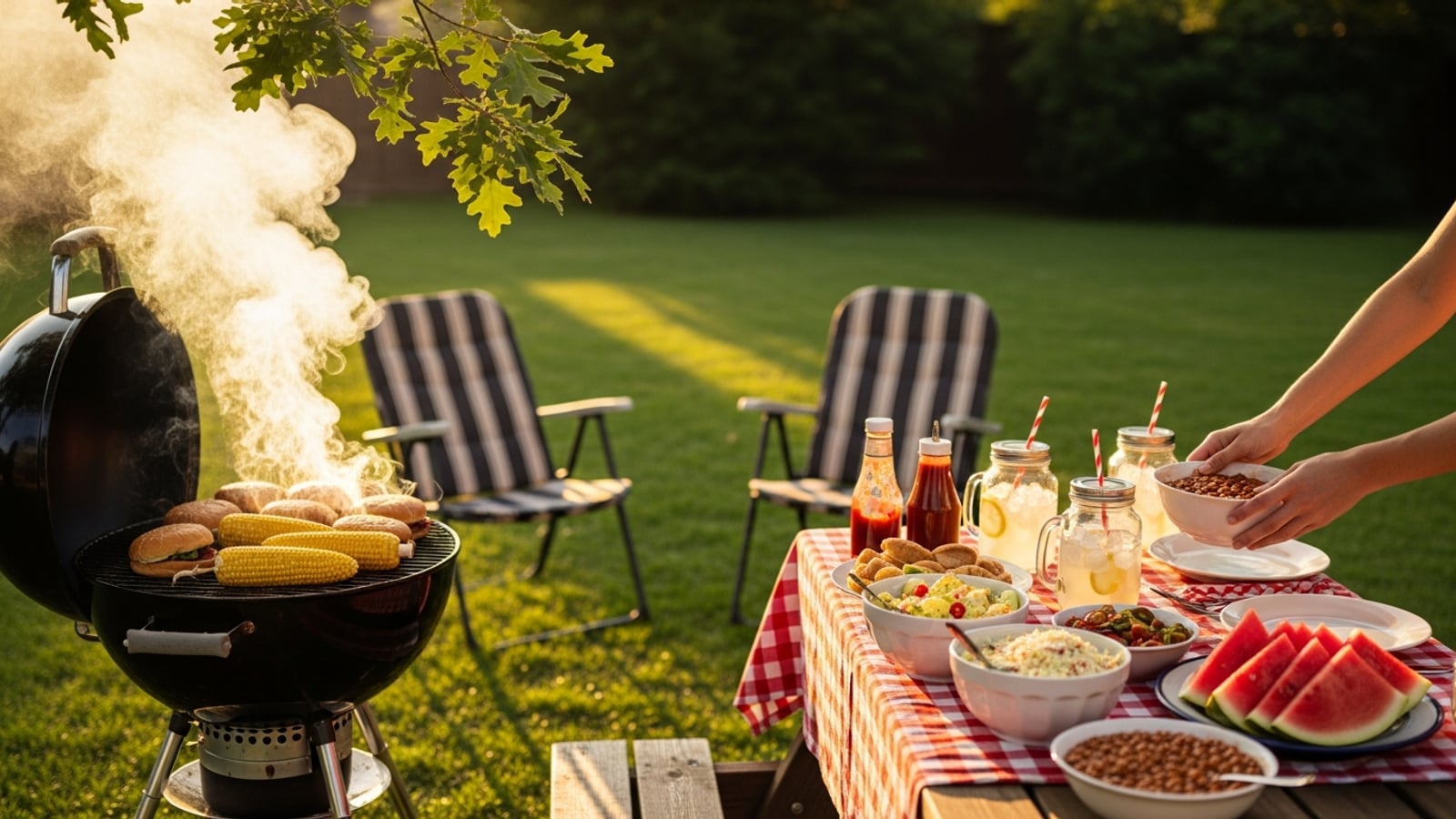
Hosting a backyard BBQ sounds easy until you are standing at the grill trying to feed 25 people whose dietary preferences you never asked about. The difference between a smooth cookout and a chaotic one usually comes down to what you do the week before — not the day of.
Decide on Your Guest Count First
Before you think about food or dates, figure out how many people your space can realistically handle. Think through seating, shade, and bathroom access. Smaller, intentional guest lists — fifteen to twenty-five people — tend to produce better parties than massive gatherings where nobody knows everyone. If you are planning for thirty or more, you will need to think through logistics differently than you would for a casual backyard hang.
Your guest count also drives every other decision: how much food to buy, how many chairs to set up, and whether digital invitations or a quick text thread is the right approach. Lock it in before you do anything else.
Send Invitations Two Weeks Out
For a casual cookout, aim to send invitations about two weeks before the event. This gives guests enough time to clear their schedules without so much lead time that they forget about it. For a larger gathering of thirty or more guests — or one that falls on a holiday weekend — give yourself four to six weeks so people can actually plan around it.
Digital invitations work perfectly for backyard BBQs. They are free, instant, and make RSVP collection automatic. Use a dedicated RSVP page rather than a group text or Facebook event so every response lands in one place you can actually use for food planning. See our full guide on when to send party invitations for timing advice across every type of event.
What to Include on Your BBQ Invitation
Even a casual cookout invitation needs specific details. Guests should know:
- Date, day of week, and start time — add an approximate end time if you want guests to know how long to plan for
- Full address and any parking notes if street parking is limited
- Dress code hint — something like “casual outdoor” or “bring sunscreen” helps guests prepare
- What you are providing — “We will have burgers, hot dogs, and drinks covered”
- What guests should bring — if you want a potluck-style cookout, specify which category you need (sides, desserts, non-alcoholic drinks)
- RSVP deadline — a specific date, not “let me know whenever”
If you are asking guests to contribute a dish, be explicit. Ask them to label anything with common allergens and specify portion sizes — something like “enough to serve eight to ten people” prevents both duplicates and gaps. A potluck-style cookout is one of the most practical ways to host a crowd without taking on all the cooking yourself.
Example invitation wording:
“Join us for a backyard BBQ on Saturday, July 19th at 4 PM. We will have burgers, hot dogs, and drinks — bring a side dish or dessert to share. RSVP by July 14th so we know how much to grill.”
RSVPs and Headcount: Why the Numbers Matter
Cookouts feel casual, but your headcount is not. Every confirmed guest affects how much meat, ice, and supplies you buy. An accurate RSVP count is the single most useful thing your guests can give you before the event.
Set your RSVP deadline three to four days before the event — not the day before, when stores are packed and your window to adjust is nearly gone. Once you have a solid count, add a buffer of roughly 20% when purchasing main items to account for bigger appetites and the occasional unannounced guest. If guests are not responding, our post on RSVP reminder wording has polite, copy-ready templates for following up.
Not sure what your RSVP page will look like to guests? See a live BBQ cookout RSVP example before you set yours up.
Food Planning: The Numbers That Matter
Food is where most hosts over- or under-plan. Here is a straightforward framework based on standard cookout planning benchmarks.
Meat
Plan roughly half a pound of meat per person when serving a single protein. If you are offering both burgers and hot dogs — the most common cookout combination — a reliable formula is 1.5 burgers and 0.5 hot dogs per person. For burgers alone, two quarter-pound patties per person is a practical benchmark for a hungry crowd.
For bone-in cuts like chicken pieces or ribs, increase your estimate to about three-quarters of a pound per person to account for bone weight. Do not forget vegetarian options — even a few skewers of marinated vegetables or a veggie burger option goes a long way for guests who do not eat meat.
Sides
Budget roughly six ounces of total sides per guest. For a group of twenty to thirty people, five to eight different side dishes gives guests variety without creating waste. Classic choices — potato salad, coleslaw, baked beans, corn on the cob, and a green salad — hold up well in warm weather and appeal to a broad crowd.
If you are coordinating a potluck, a shared sign-up works better than a free-for-all. Assign categories and let guests claim specific dishes to avoid ending up with six bags of chips and no protein alternatives.
Drinks
Always have more non-alcoholic options than you think you need. On a hot summer day, sparkling water, lemonade, and iced tea disappear fast — often faster than beer or wine. A self-serve drink station that guests can access on their own takes consistent pressure off the host throughout the afternoon.
Your Prep Timeline
Most of the work happens before the day of the event. Here is a timeline that keeps things manageable:
- Two weeks out: Finalize your guest list and send invitations
- One week out: Plan your menu based on confirmed RSVPs; buy non-perishables and paper goods
- Two days before: Marinate meats — overnight marinating makes a real difference in flavor
- Day before: Make potato salad, coleslaw, and other cold sides; set up tables and chairs; confirm your grill is clean and has enough fuel
- Morning of: Put out condiments, napkins, and utensils; prep anything last-minute; get ice
- One hour before guests arrive: Light the grill; set out drinks and a snack area so early guests have something to eat while you cook
Day-of Details That Make the Difference
The biggest single thing you can do to enjoy your own party: set up a self-serve drink and snack station before the first guest arrives. When guests can help themselves, you are free to manage the grill without someone asking you where the cups are every five minutes.
Lawn games like cornhole or bocce ball give guests something to do between plates and keep energy up without requiring you to organize anything. Bug spray and sunscreen are small touches guests consistently appreciate at summer parties. If your event might run into the evening, string lights extend the atmosphere naturally — and they are much easier to hang before the party than after dark.
Have a weather plan. A tent or patio umbrella set up in advance is far less stressful than scrambling when clouds roll in an hour before guests arrive.
Make RSVPs the Easy Part
The logistics of a great backyard BBQ are not complicated — food, timing, and headcount. The easiest piece to get right is RSVP collection. Create a free RSVP page, share the link in your invitation, and watch responses come in without any chasing. Your confirmed count, dietary notes, and guest list all land in one place — exactly the information you need to shop, plan, and show up to your own party relaxed.
Ready to create your event RSVP?
Build a beautiful event page in minutes. Share one link. Track every response in real time.
Create Your Free RSVP Link