How to Host a Thanksgiving Brunch: A Complete Planning Guide
Skip the all-day kitchen marathon. Here's how to host a Thanksgiving brunch — menu ideas, timing, make-ahead tips, and how to get RSVPs in order.
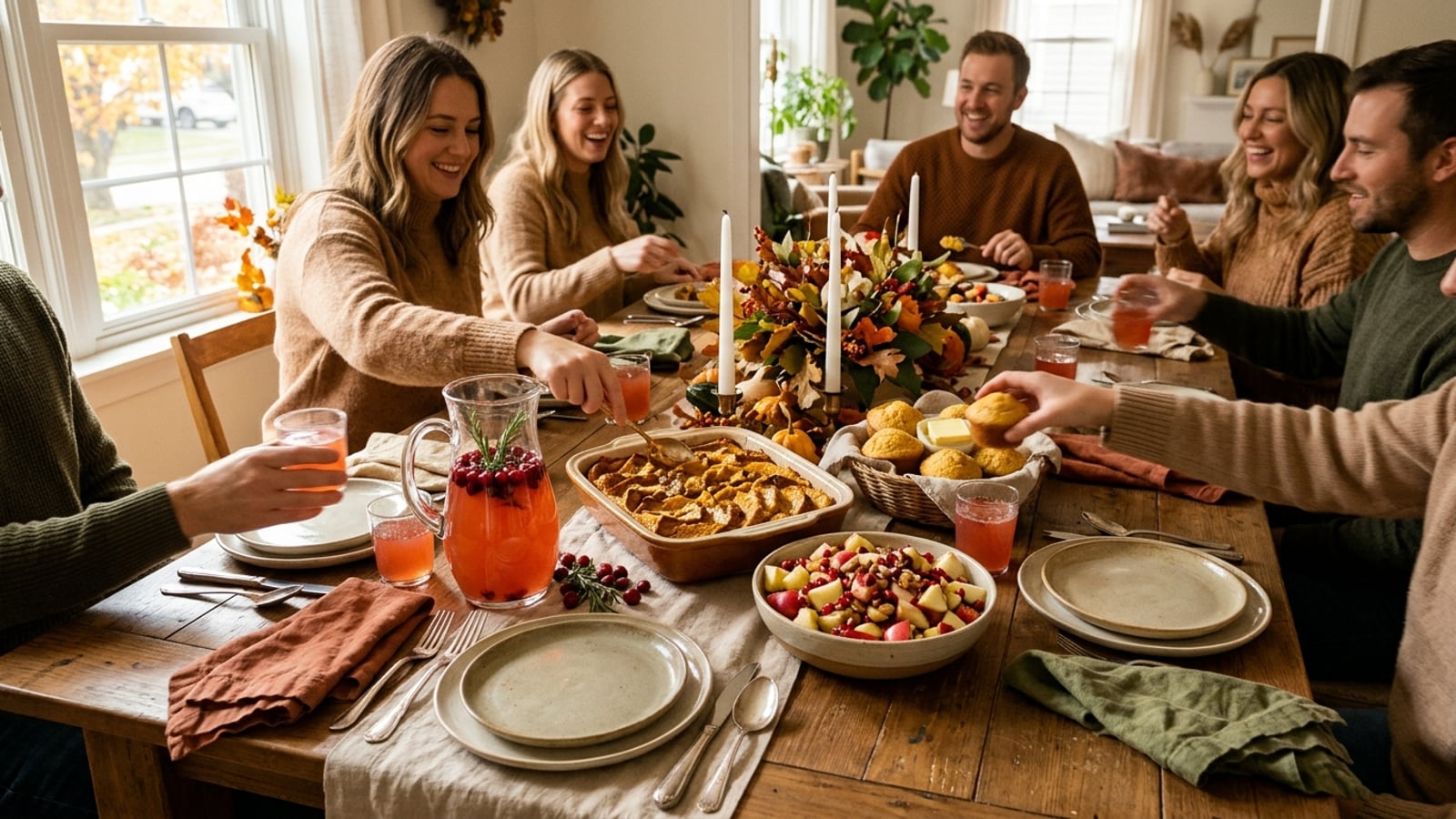
A Thanksgiving dinner is a production: the turkey goes in at 8 a.m., sides multiply until every burner is occupied, and by 4 p.m. everyone is too full to move. A Thanksgiving brunch is something different — a relaxed, beautiful meal that wraps up before the afternoon rush, leaves guests free to attend second gatherings or travel, and gives you a whole day instead of just an evening.
If you want a Thanksgiving celebration without a 12-hour cooking shift, a morning feast is worth trying. Here is how to host one well.
Why a Thanksgiving Brunch Works
The traditional Thanksgiving dinner time clusters around 2–4 p.m., which means a brunch format (11 a.m. to 1 p.m.) runs ahead of that window without competing with it. Your guests can celebrate with you in the morning, then still make it to a family dinner across town. For city dwellers, couples hosting a mix of friend groups, or anyone who wants a gathering with fewer people than a full family feast, brunch-scale is exactly right.
The format also lets you lean on make-ahead dishes — egg casseroles, pastries, and French toast bakes that go together the night before — instead of last-minute gravy emergencies.
How Far in Advance to Invite Guests
Send invitations 3–4 weeks before Thanksgiving. The holiday weekend is one of the busiest travel periods of the year, and guests start locking in plans by late October. Sending a week or two out often results in a wave of "sorry, already committed" replies.
Set your RSVP deadline at least a week before the brunch. That gives you time to shop for exact quantities and assign any potluck contributions. If you are asking guests to bring a dish, confirm their assignment when they RSVP — not the day before.
Use a dedicated RSVP page so you get concrete yes/no responses instead of text-message maybes. Create a free Thanksgiving RSVP page that collects headcount, dietary restrictions, and dish contributions in one place. See a sample Thanksgiving RSVP to get a sense of what the guest experience looks like.
Building the Menu
A Thanksgiving brunch menu should bridge two worlds: the fall flavors guests associate with the holiday and the lighter, more flexible format of a brunch spread. Mix sweet and savory so guests can eat a full plate or just graze.
Savory anchor dishes
- Egg casserole or quiche. A make-ahead egg bake with sage, caramelized onions, and turkey sausage hits Thanksgiving notes without requiring day-of effort. Assemble the night before and bake in the morning.
- Turkey and cranberry sliders. Leftover-friendly even when made fresh — thin-sliced turkey on soft rolls with a swipe of cranberry sauce.
- Cornbread or biscuits. Bake the night before. These disappear fast, so make more than you think you need.
Sweet centerpieces
- Pumpkin French toast casserole. Assembled the night before, baked that morning. Serves a crowd easily and smells like fall from the moment it goes in the oven.
- Cinnamon rolls or pumpkin scones. Easy to make or buy, and guests are always happy to see them on the table.
- Seasonal fruit salad. Sliced apples, pears, and pomegranate seeds with a honey-lime drizzle. Balances the heavier dishes and holds well on a buffet.
Drinks station
Set up a dedicated drinks station away from the main food table. The basics:
- Cranberry mimosas (cranberry juice, prosecco, optional orange juice)
- Bloody Marys with a garnish bar if you want a project
- Coffee and tea for everyone — always more than you expect to need
- Sparkling water and apple cider for non-drinkers
Make-Ahead Is the Whole Strategy
The point of a brunch format is that you are not cooking all morning. Almost everything on the menu above can be fully or partially prepared the night before:
- Egg casseroles and quiches: assemble, cover, refrigerate; bake in the morning
- French toast bake: same approach
- Cornbread and scones: bake the night before, rewarm for 10 minutes
- Fruit salad: prep the fruit, hold the dressing until morning
- Cranberry syrup or mixer for drinks: make ahead, refrigerate
On the morning of the brunch, your job is mostly oven management and setting out dishes — not active cooking. That is a very different Thanksgiving morning than the alternative.
Coordinating Potluck Contributions
If you want guests to contribute, ask at RSVP time — not at the door. Assign specific categories (a fruit dish, a pastry, a savory casserole) rather than leaving it open-ended. Open-ended potlucks produce four fruit salads and no one bringing napkins.
For coordination tips, see our guide on how to host a Friendsgiving, which covers dish coordination in detail — most of the same principles apply here.
Setting Up Your Space
A brunch for 8–12 people works as a seated meal. Over 15, a buffet table is easier than plated service — guests move through at their own pace and you do not have to time everything to arrive warm at once.
Set drinks and desserts on a separate surface from the main buffet. This one change keeps traffic moving and prevents a bottleneck at the mimosa pitcher. Add a few autumn elements — small gourds, a candle or two, a simple arrangement of seasonal branches — without turning it into a craft project.
RSVP and Headcount Tips
Thanksgiving weekend is high-cancellation territory. People make plans in layers — family dinner first, then everything else around it — and brunch slots can shift as those plans solidify. A few things help:
- Confirm 48 hours before. Send a short reminder the Tuesday before Thanksgiving with the start time and parking notes. This surfaces any last-minute changes before you buy groceries.
- Ask about dietary restrictions at RSVP. Brunch menus often include dairy-heavy dishes (quiche, pastries, cream-based casseroles). Knowing this ahead of time lets you make one easy substitution rather than scrambling at the table.
- Plan for a buffer. Buy slightly more than your headcount requires for key dishes. Brunch items like egg casseroles and baked pastries do not scale awkwardly — a larger pan costs little extra and prevents running short.
For invitation wording ideas, see our Thanksgiving invitation wording guide, which has examples you can adapt for a morning gathering.
How This Compares to a Full Thanksgiving Dinner
If you are deciding between hosting a brunch and hosting the full dinner, the practical differences are significant. A brunch serves a smaller group more easily, requires less equipment and fewer hours of cooking, and gives you the rest of the day back. A traditional dinner is the right call for immediate family, large gatherings, or anyone for whom the full feast is the tradition they want to preserve.
Some hosts do both: a morning gathering with friends, then a family dinner in the evening. If that is your situation, a brunch format is perfectly designed for it — it ends in time and does not leave you too full for round two.
For the full dinner approach, see our guide on how to host a Thanksgiving dinner.
Getting Started
The move to make right now, with Thanksgiving four weeks away: send invitations this week, set a firm RSVP deadline, and map out your make-ahead schedule. The menu almost plans itself once you have a headcount.
Create your Thanksgiving brunch RSVP page — it takes about two minutes and gives you a clean link to send to guests today.
Ready to create your event RSVP?
Build a beautiful event page in minutes. Share one link. Track every response in real time.
Create Your Free RSVP Link