How to Host a Christmas Eve Dinner Party: A Complete Planning Guide
Everything you need to host a memorable Christmas Eve dinner: guest list, invitations, menu planning, timeline, and day-of tips.
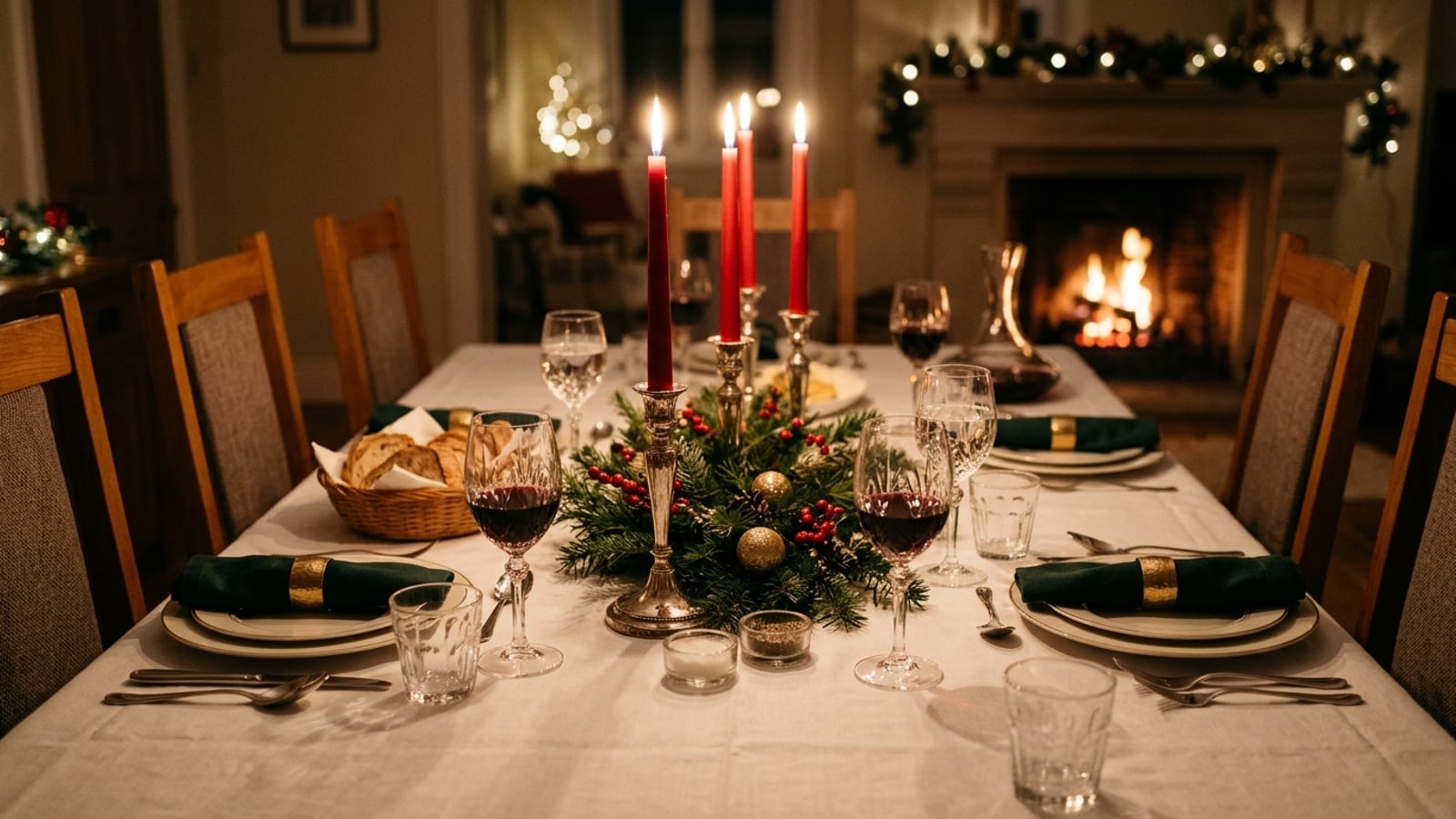
Christmas Eve dinner is one of the most anticipated meals of the year. It carries the anticipation and warmth of the holiday without the marathon pressure of Christmas Day itself. Whether you are hosting immediate family, a mix of friends and neighbors, or a standing annual tradition for two dozen people, the key is treating it like its own event — not just the night before something else.
Here is how to plan and host a Christmas Eve dinner that feels effortless on the night, even if it took some preparation to get there.
Start With the Guest List
Christmas Eve tends to draw people who do not have other plans — friends who live far from family, neighbors whose relatives travel in the next morning, or a small chosen-family group who have made it a yearly ritual. Think about who you actually want at your table, not just who you feel obligated to invite. A dinner for eight is easier to manage than a dinner for twenty, and more intimate by nature.
Once you have a list, consider the mix. Are there young children who need an earlier meal time? Are any guests traveling in that evening? These details shape your start time more than anything else.
Send Invitations Four to Six Weeks Ahead
Holiday calendars fill up fast. Etiquette experts recommend sending invitations at least four to six weeks before a Christmas-season event — most people's December Saturdays are spoken for by early November. For Christmas Eve specifically, guests with family traditions may need more lead time to figure out whether they can join you before or after other obligations.
Keep the invitation clear: the exact date, start time, and whether dinner is the main event or part of a longer evening. If you want to start with cocktails at 6:00 and sit down at 7:30, say that. Guests appreciate knowing how long the evening runs, especially if they have early-morning plans on Christmas Day.
For wording ideas, see our Christmas Eve invitation wording guide with examples for every style — casual to formal. Once you have the wording ready, create a free RSVP page so guests can respond in one click and you get all the headcounts in one place.
Ask About Dietary Needs Early
Your RSVP form is the right place to collect dietary restrictions — not a follow-up text two days before the event. When guests respond, ask whether they have any allergies or dietary needs. This gives you time to adapt the menu, not just the night before. See our guide on handling dietary restrictions at a party for how to manage a mixed-diet table without cooking three separate mains.
Build a Menu That Travels Well in Time
The secret to an unflustered Christmas Eve is a menu that does most of its work before guests arrive. A few principles:
- Choose one centerpiece dish. Whether it is a braised beef short rib, a whole roasted salmon, a leg of lamb, or a vegetarian Wellington, anchor the menu to one main you know well. Christmas Eve is not the moment to debut a technique you have never tried.
- Make the starter and dessert ahead. A chilled soup, a composed salad, or a charcuterie spread can be plated before anyone rings the doorbell. Desserts — tarts, panna cotta, a chocolate mousse — almost always benefit from an overnight rest.
- Keep side dishes simple. Roasted vegetables and a potato dish that can be assembled the day before and reheated are staples for a reason. Avoid anything that needs last-minute attention over a hot stove while you are also trying to greet guests.
- Plan a welcome drink. A batch cocktail or a warm mulled wine on the stove requires no tending once it is going and immediately sets the mood when guests walk in.
If the group is large enough that cooking everything yourself feels unreasonable, assign courses. Ask a trusted guest to bring an appetizer or a bottle of wine they are proud of. Most guests appreciate being asked to contribute something specific rather than a vague "bring whatever."
Your Prep Timeline
Spreading the work across several days is what turns a stressful dinner into a manageable one.
Three to Four Weeks Out
- Finalize the guest list and send invitations
- Choose your menu in full
- Order anything that needs advance booking — a prime rib roast, a whole fish, specialty items from a butcher or fishmonger
One Week Out
- Inventory your plates, glasses, and serving dishes — do you have enough for your headcount?
- Buy non-perishables and pantry staples
- Follow up with any guests who have not responded
Two Days Out
- Buy perishables and any last-minute items
- Prepare any braises, stocks, or dishes that improve overnight
- Make the dessert
The Night Before
- Set the table completely — linens, flatware, glasses, candles
- Prep vegetables and refrigerate
- Assemble any dishes that go straight into the oven
- Lay out the serving pieces and label what goes where
Day Of
- Start the oven and get the main dish cooking on schedule
- Prep the welcome drink batch
- Put on music an hour before guests arrive
- Give yourself at least 45 minutes to get ready before the first guest rings the bell
Set the Atmosphere
Christmas Eve has its own mood — quieter and more magical than the bustle of Christmas Day. Lean into that.
- Candles over overhead lighting. A table lit primarily by tapers and tea lights looks like a painting. Overhead lights can stay off entirely once guests arrive.
- Music at a conversation volume. A playlist of instrumental carols or classic jazz keeps the background alive without competing with the table.
- A small personal touch at each place setting. A handwritten place card, a small ornament, a sprig of rosemary — nothing elaborate, but something that says the seat was arranged with a specific person in mind.
The One Thing Hosts Forget
Almost every guide to holiday hosting lands on the same point eventually: a relaxed host makes for a better party. If something goes wrong in the kitchen — the roast runs late, a side dish gets burnt — take a breath, laugh it off, and keep the evening going. Guests remember the warmth at the table, not the perfection of the timing. A dinner where the host is anxious and checking the kitchen every ten minutes is harder to enjoy than one where a dish is twenty minutes late and everyone is having a second glass of wine.
The best way to stay relaxed is to have done the hard work before the evening started. If the table is set, the dessert is made, and the starter is plated, there is not much left to do but enjoy the company you invited.
Putting It Together
A Christmas Eve dinner party is one of the most rewarding things to host. The date is fixed, the mood is built in, and guests almost always arrive grateful. The work is mostly in the planning — send invitations early, lock in your menu, build a prep schedule that spreads the work across the week, and set your table the night before. Everything else takes care of itself.
See a sample Christmas party RSVP page to see what your guests experience when you share the link, and browse the guide to hosting a Christmas party if you are hosting a larger, less formal gathering alongside the dinner.
When you are ready to send invitations, create your Christmas Eve RSVP page and share one link with everyone on your list.
Ready to create your event RSVP?
Build a beautiful event page in minutes. Share one link. Track every response in real time.
Create Your Free RSVP Link