How to Host a Friendsgiving: A Complete Host's Guide
Everything you need to host a Friendsgiving — from picking the date and organizing a potluck to collecting RSVPs and serving a great meal.
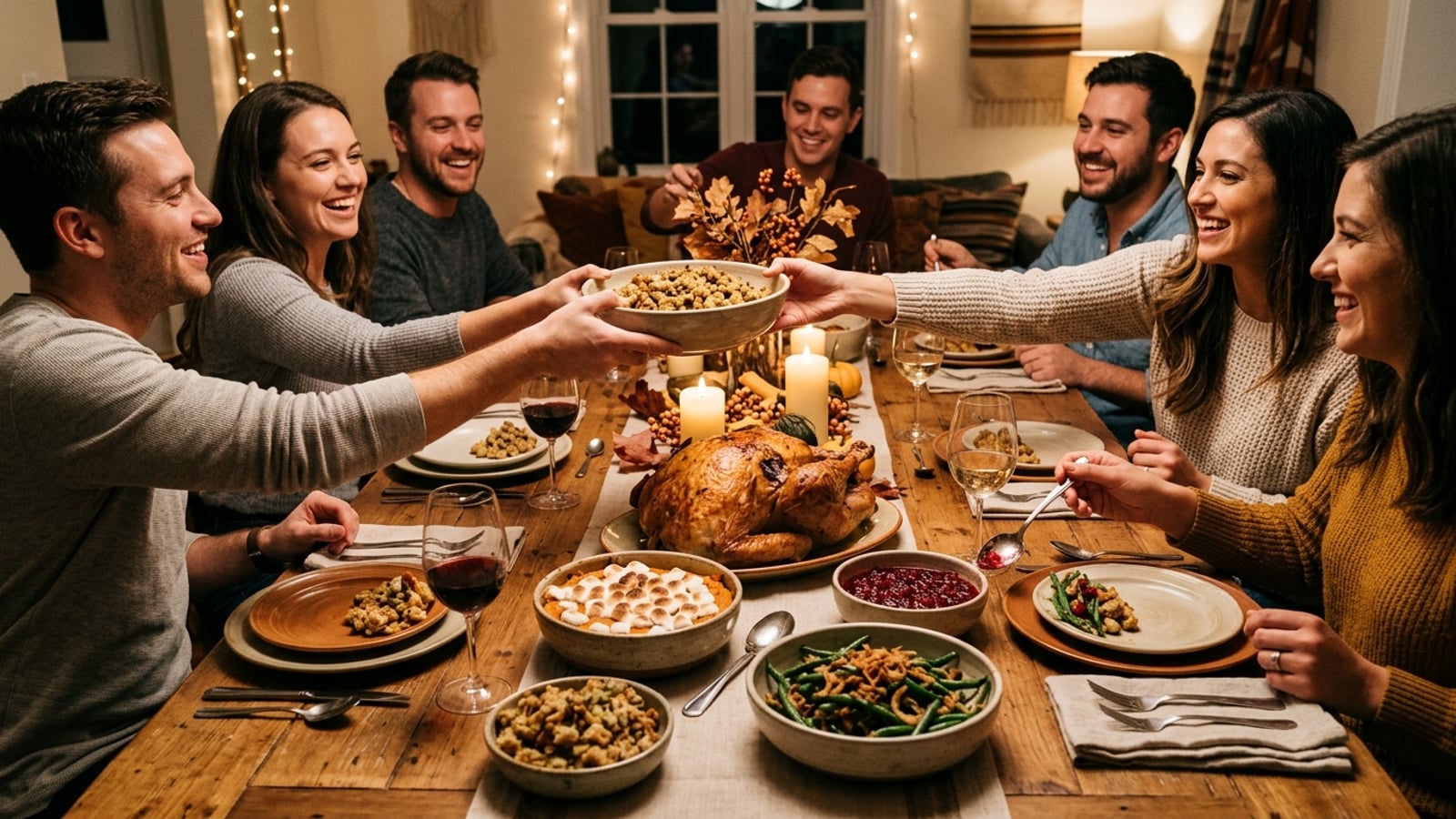
Friendsgiving is Thanksgiving for your chosen family — the friends you'd fly home for if flights weren't so expensive. Unlike the family holiday, you get to build the guest list, set the menu, and cook only what you actually want. Here's how to pull it off without the stress.
Pick the Date First
For 2026, Thanksgiving falls on Thursday, November 26. The sweet spot for Friendsgiving is the weekend before — Saturday, November 21 or Sunday, November 22. Saturday evening works best for most groups: nobody has an early drive the next morning, and dinner can drift naturally into games and dessert.
Avoid Wednesday before Thanksgiving — it's peak travel day and guests will be scattered or exhausted. The second or third weekend in November works well if your group has complicated travel schedules.
Send Invitations 4 to 6 Weeks Out
November weekends fill up fast with holiday parties, family visits, and travel. Send invitations 4–6 weeks out — mid-to-late October — so guests can hold the date before it disappears from the calendar.
Your invitation should cover:
- Date, arrival time, and dinner time. List both — guests need to know when mingling starts and when to be seated. A one-hour window for appetizers and drinks before dinner works well.
- Location with a full address or map link
- Potluck instructions — are guests bringing a dish? What categories are still open?
- RSVP deadline — give yourself at least 10 days before the event to finalize headcount
- Dietary restrictions request — ask up front so you're not surprised day-of
For ready-to-use wording, see our Friendsgiving invitation wording guide with examples for every tone, from casual to playful.
Organize the Potluck Before Anyone Signs Up
Potluck chaos — three people bring pumpkin pie, nobody brings rolls — is preventable. Set up a signup system before invitations go out, with clear dish categories guests can claim:
- Main dish (handled by the host — see below)
- Sides — mashed potatoes, stuffing, sweet potatoes, green beans
- Bread and rolls
- Appetizers — cheese boards, dips, finger foods
- Desserts — pies, cakes, cookies
- Drinks — wine, cider, sparkling water, cocktail mixers
An online RSVP page lets guests confirm attendance and indicate what they're bringing in one step — no spreadsheet hunting or text thread archaeology. See a live potluck RSVP example to see what your guests will experience when they click the link.
The Host's Job: Main Dish and the Essentials
When you're hosting a potluck Friendsgiving, you're not cooking everything — but you're also not off the hook. The host typically handles:
- The centerpiece protein — a whole turkey, spatchcocked turkey, roast chickens, or a hearty vegetarian main
- Gravy — nobody wants to transport a pot of it across town
- Serving dishes, utensils, and table setup
- Plates, napkins, and glassware
- A backup plan — extra wine, store-bought rolls, a bag salad — for when someone forgets their dish or burns it at home
Plan your oven schedule before guests arrive. If people are bringing dishes that need reheating, you'll need to account for oven time. Let guests know in advance whether to arrive with their dish ready-to-eat or whether you can give them 20 minutes in your oven.
What to Collect via RSVP
A well-structured RSVP does more than count heads. For Friendsgiving, ask guests for:
- Attendance confirmation and total number coming (including plus-ones)
- The dish they're bringing, so you can track the potluck spread in real time
- Dietary restrictions — vegetarian, vegan, gluten-free, specific allergies
- Whether they'll need oven time when they arrive
Collecting this up front prevents the scramble on the day of the event. If a guest mentions a nut allergy in their RSVP, you can flag that to everyone bringing dessert before anyone starts baking. See our guide to handling dietary restrictions at a party for how to communicate this to your other guests gracefully.
The Right Guest Count
Six to ten people is the sweet spot for a home Friendsgiving. That's enough to generate a real spread of dishes, fill a dining table without cramping it, and keep conversation flowing in a single room. Once you push past twelve, you're coordinating multiple tables and the logistics start to resemble a small catering operation.
If your friend group is larger, consider hosting two seatings, running an appetizer-only cocktail Friendsgiving, or splitting into two smaller gatherings on different weekends.
Send a Reminder Before the Event
Three to five days before Friendsgiving, send a quick reminder. Keep it brief: confirm the arrival time (especially the difference between arriving at 5 versus dinner at 6), remind guests what they're bringing, and leave the door open for any last-minute changes. A simple message like this works well:
Looking forward to Saturday! Dinner is at 6, but come any time after 5 for drinks and appetizers. Let me know if anything has changed for your dish — can't wait to see everyone.
For wording that actually gets responses, see our RSVP reminder wording guide with message templates for every situation.
Day-of Setup Tips
A few small things make a big difference on the day itself:
- Clear counter space near the entrance so guests can set dishes down without hunting for a spot
- Label serving dishes with the dish name and any key allergen info — especially useful when multiple people brought sides
- Set up a self-serve drink station early. Guests who arrive first will gravitate to whatever is most accessible — having wine, cider, and sparkling water out from the start means you're not playing bartender at the door while you're still prepping the main dish
- Write out your reheating schedule — if several guests need oven time, know the order and temperature before they arrive
Add a Simple Tradition
The best Friendsgivings feel like the beginning of something. A small, repeatable ritual is what makes people want to come back next year. Consider a gratitude round where everyone shares one thing from the year, a pie contest with guest judging, a bring-a-dish-from-your-hometown rule, or a post-dinner game everyone already knows.
Whatever you choose, keep it low-pressure — guests shouldn't need to prep anything extra to participate. The goal is a reason to do it again.
Start Planning Now
Friendsgiving works best when the logistics stay out of the way. Pick the date, share the link, assign the dishes, and let your guests do their part. Create your Friendsgiving RSVP page now — it takes less than five minutes and gives every guest one clear place to confirm, share what they're bringing, and flag any dietary needs before the day of the event.
Ready to create your event RSVP?
Build a beautiful event page in minutes. Share one link. Track every response in real time.
Create Your Free RSVP Link