
How to Host a Día de los Muertos Party: A Complete Guide
Día de los Muertos is not Halloween. Learn how to host an authentic, joyful celebration with the right ofrenda, food, attire, and invitations.
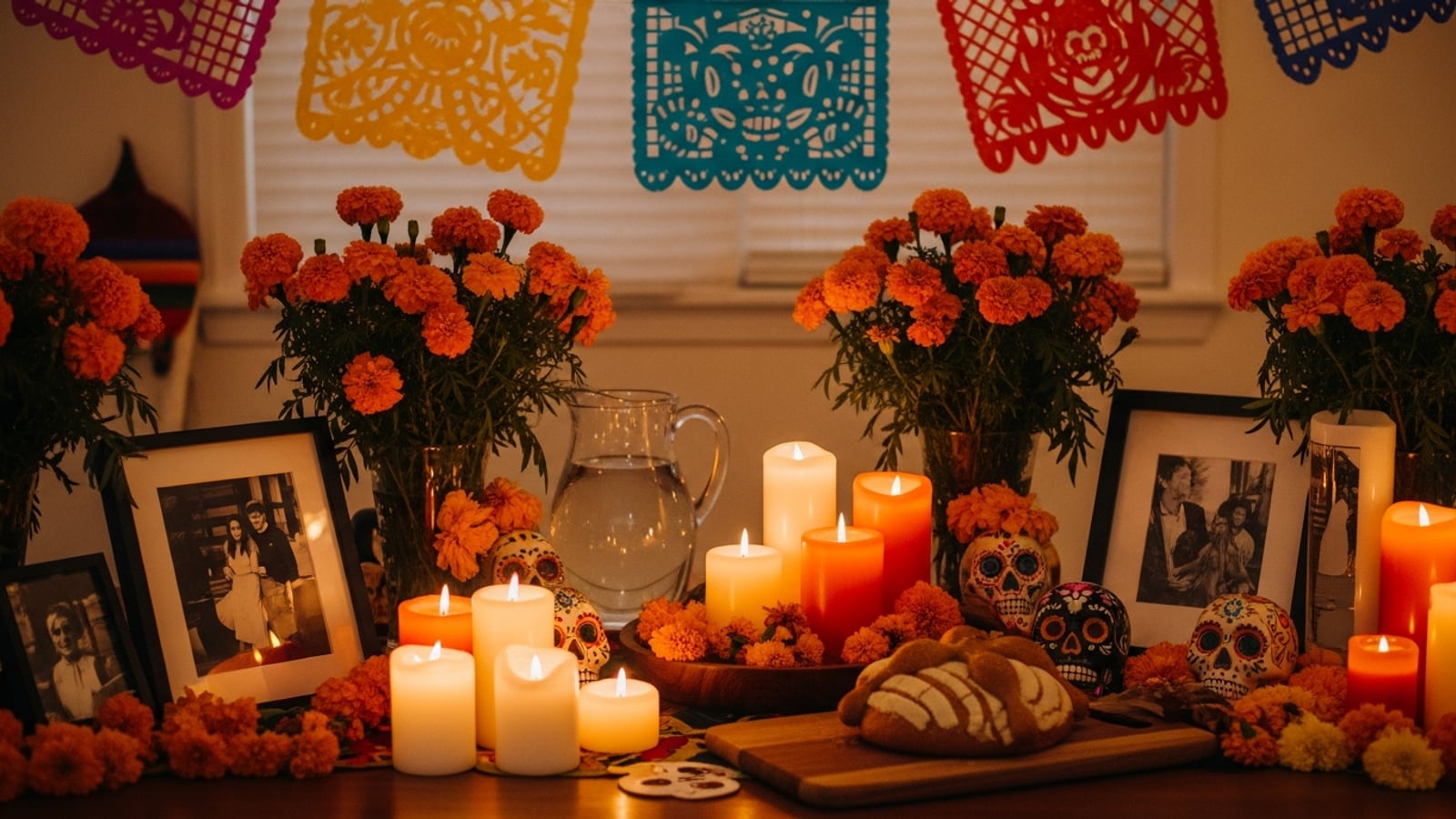
Día de los Muertos lands on November 1 and 2 — right in Halloween season, which is exactly where the confusion starts. The two holidays share skeletons and the color orange, and that is about it. Halloween is about the fright of death. Día de los Muertos is its cultural opposite: a joyful, colorful celebration of deceased loved ones returning for a brief visit, rooted in pre-Hispanic Nahua and Maya traditions that have been practiced for thousands of years.
UNESCO recognized Día de los Muertos as an Intangible Cultural Heritage of Humanity in 2003, inscribing it on the Representative List in 2008. Understanding what the holiday actually is — and communicating that clearly to your guests — is the first job of any host.
Know What You Are Hosting
In 2026, Día de los Muertos falls on Sunday, November 1 (Día de Todos Santos / All Saints' Day) and Monday, November 2. Most family gatherings span both days, but a party typically anchors on the evening of November 1 or the night of November 2.
The holiday is rooted in the belief that the souls of the dead are permitted to return briefly to visit family and friends. Families guide them home with marigold petals, candles, and offerings laid along a path from the cemetery to the house. The greeting is not solemn — it is genuinely celebratory. Pre-Hispanic cultures regarded mourning as disrespectful to the departed; the appropriate response to their return is food, music, and laughter.
Build the Ofrenda First
The ofrenda — the altar of offerings — is the heart of the celebration. You do not need a large space. A table, a shelf, or even a few stacked boxes covered with fabric will work. What matters is what goes on it.
A traditional ofrenda incorporates the four elements:
- Water — set in a pitcher so returning spirits can refresh themselves after their journey.
- Wind — represented by papel picado, the colorful cut-paper banners hung above the altar.
- Earth — food offerings, especially pan de muerto, the sweet bread baked for the occasion.
- Fire — candles, often arranged in a cross pattern marking the four cardinal directions, to help souls find their way.
Add marigolds (cempasúchil) generously — their vibrant color and strong scent are believed to guide spirits home. Lay petals in a trail from the front door to the altar. Include photographs of the deceased, copal incense, and the favorite foods and drinks of the loved ones you are honoring.
If your guests do not all share loved ones in common, ask each person to bring a printed photo and one small personal item — a favorite candy bar, a childhood toy, a packet of coffee — for a communal ofrenda. Building it together at the start of the evening is a powerful opening activity that sets the holiday's tone immediately and gives guests something meaningful to do when they arrive.
Decorations and Ambiance
Think warm and vibrant, not spooky. The visual palette of Día de los Muertos is marigold orange, deep purple, hot pink, bright turquoise, and gold — nothing dark or haunted-house.
- Marigolds — arrange them in vases, string them as garlands, or scatter loose petals on tables and the path to the ofrenda.
- Papel picado — hang the colorful punched-paper banners across doorways and overhead; they represent the wind and the soul's journey.
- Calaveras (sugar skulls) — both decorative and edible; sugar skull kits for guests to paint are a natural activity station.
- Candles — white and orange pillar candles in clusters; candlelight is part of the atmosphere, not just decoration.
- Copal incense — its woody, resinous scent is tied to the ceremony and transforms the room immediately.
The Menu
Traditional Día de los Muertos food is the same food placed on the ofrenda — the most beloved home-cooking of the families being honored. For a communal party, lean on hearty, shareable dishes:
- Pan de muerto — the round, slightly sweet bread flavored with anise and orange peel, decorated with bone-shaped strips of dough. It belongs on the ofrenda and on the table for guests to eat.
- Tamales — made with corn masa and filled with pork, beans, cheese, or sweet corn; they hold well and feed a crowd.
- Mole — a slow-cooked sauce of dried chiles, chocolate, spices, and nuts served over chicken or turkey. If you are not making it from scratch, buy it from a local Mexican restaurant or specialty market.
- Atole or champurrado — warm drinks made from corn masa, flavored with cinnamon, vanilla, or chocolate. Serve them in mugs; they are comforting on a cool November evening and deeply traditional.
If you are asking guests to bring a dish, be specific in the invitation — "bring a dish to share" gives people a concrete task and naturally expands the table.
Attire: Colorful, Not Scary
This is the single most important thing to communicate in your invitation. Guests attending a Día de los Muertos party should not dress as ghouls, vampires, or generic Halloween characters. The appropriate attire is colorful and celebratory.
For women, long flowing dresses with floral embroidery in saturated colors — yellow, orange, red, pink, purple — are traditional. Calavera makeup (a white base, darkened eye sockets, and floral designs around the cheekbones) is widely embraced and appropriate. Men can dress in black suits with colorful accessories or traditional charro attire. Guests who prefer not to dress up should simply wear something bright.
A direct line in the invitation — "This is a Día de los Muertos celebration, not a Halloween costume party. Wear something colorful or come in calavera makeup" — prevents the confusion that happens when guests assume it is a Halloween event. See our guide on dress code invitation wording for more ways to phrase this gracefully.
Activities
- Build the ofrenda together — the best possible opening; guests share stories of the people they have brought photos to honor.
- Sugar skull decorating — provide plain sugar skulls or cardboard skull templates with food-safe paint, icing, or markers. It works for every age.
- Papel picado making — tissue paper and small scissors; finished pieces can go straight up as additional decoration.
- Live music or a curated playlist — traditional mariachi, son jarocho, or norteño music keeps the energy right. Avoid generic party playlists.
Invitations and RSVPs
Día de los Muertos requires more invitation detail than most parties because guests need to prepare in advance. Your invitation should cover four things the holiday specifically requires:
- What the holiday is — a brief line explaining that this celebrates the return of departed loved ones, not Halloween.
- What to bring — a dish to share and a printed photo of a loved one (or small personal item) for the communal ofrenda.
- What to wear — colorful attire or calavera makeup; explicitly not a Halloween costume.
- Where to RSVP by — you need a headcount to plan food and to know how many photo spaces and candles to set aside on the ofrenda.
Because guests have actual preparation tasks — printing a photo, planning an outfit, possibly cooking a dish — a firm RSVP deadline matters more here than it does for a typical party. Set the deadline ten to fourteen days before the event. Create a free RSVP page where guests can confirm attendance and see all the party details in one place — that way you are not fielding the same questions by text for two weeks. Our live RSVP example shows exactly what the guest experience looks like.
Send a reminder a few days before your RSVP deadline. See our RSVP reminder wording guide for follow-up message templates that work when guests have specific preparation tasks.
A Note on Hosting Respectfully
Día de los Muertos originated in indigenous Mexican communities — Nahua, Maya, and Purépecha cultures — and became what it is today through centuries of practice and spiritual meaning. UNESCO recognized it for exactly this reason. Hosting the holiday well means engaging with it seriously, not as an aesthetic overlay on Halloween or an opportunity for skull-printed cocktail napkins.
Build a real ofrenda. Honor real people. Invite guests who will treat that with care. The best Día de los Muertos gatherings are the ones where guests leave having talked about people they loved and miss — which is the whole point. That combination of celebration and remembrance is what the holiday has always been for.
Ready to start planning? Create your Día de los Muertos RSVP page and give guests everything they need to come prepared — including what to bring, what to wear, and where the party is.
Ready to create your event RSVP?
Build a beautiful event page in minutes. Share one link. Track every response in real time.
Create Your Free RSVP Link