Dress Code Invitation Wording: A Complete Guide for Every Event
How to word every dress code level on an invitation — black tie to casual — with ready-to-use examples and placement tips.
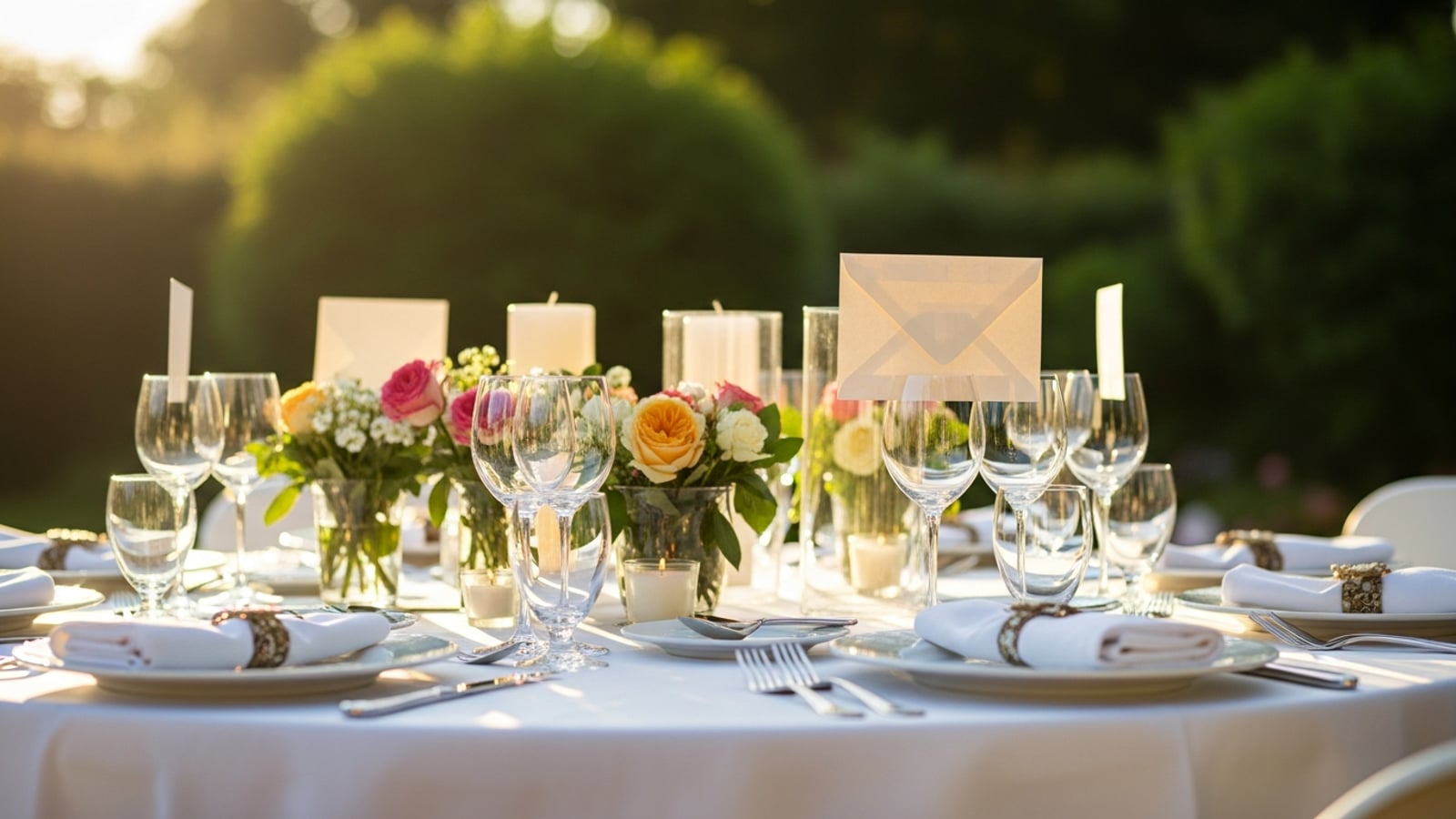
Leaving dress code off an invitation means every guest makes their own guess. Some show up in cocktail dresses. Others wear jeans. A few text you the morning of the event asking what they should wear. Including a clear dress code — even a single phrase — prevents all of that. It is not about being controlling; it is about being considerate. Guests want to dress appropriately, and giving them clear guidance means they will arrive feeling confident rather than self-conscious.
Here is how to word every dress code level and where to put it on your invitation.
Where to Include the Dress Code
On a physical invitation, the dress code traditionally appears in the lower right corner of the main card, in a smaller font below the RSVP line. Keep it brief at that location — one or two words is standard: Black Tie or Cocktail Attire. If you need more explanation, include a details card in the invitation suite where you have space to describe what you mean: "Think garden party — floral dresses, linen blazers, no stilettos on the lawn."
For digital invitations, include the dress code on your RSVP page and in the event details — guests see it at the exact moment they confirm attendance, when they are most likely to pay attention. You can also cross-link to a note in your invitation message if you need extra room to explain a theme.
The Dress Code Levels, Explained
White Tie
White tie is the most formal dress code that exists — reserved for state dinners, formal galas, and black-tie charity balls where tradition is the point. Men wear a black tailcoat, white waistcoat, white bow tie, and formal trousers. Women wear a floor-length ball gown. If you are hosting a white tie event, the phrase speaks for itself and requires no further description.
Attire: White Tie
Black Tie
Black tie is the most common formal dress code — appropriate for evening weddings, upscale galas, awards dinners, and milestone celebrations at a formal venue. Men wear a tuxedo; women wear a floor-length gown or a very formal cocktail dress. Anything shorter or less formal than that falls short of the request. See what a formal evening RSVP looks like from the guest side with a live wedding RSVP example.
Black tie attire requested.
Attire: Black Tie
Black Tie Optional
Black tie optional signals that you want a formal atmosphere while giving guests some flexibility. Men can wear a tuxedo or a dark suit; women can wear a formal gown, a cocktail dress, or dressy separates. The "optional" framing still communicates that the event is formal — it is not permission to come in business casual. If you are considering the time and venue — a hotel ballroom at 7 p.m. leans toward the tuxedo; a private club dinner can work with a sharp dark suit.
Attire: Black Tie Optional
Dress Code: Black Tie Optional — a tuxedo or formal suit for gentlemen, a gown or cocktail dress for ladies.
Cocktail Attire
Cocktail attire is the most versatile formal dress code — common for evening parties, corporate events, engagement parties, and semi-formal celebrations. It is a step below black tie but clearly above business casual. Men wear a suit in navy, charcoal, or grey with a dress shirt; a tie is often optional. Women wear a cocktail dress, dressy separates, or a formal jumpsuit in the knee-to-midi length range.
Attire: Cocktail
Cocktail attire — elegance encouraged.
See how a cocktail party RSVP page looks for guests before you create your own.
Festive Attire
Festive attire is cocktail attire with a holiday or seasonal twist — the natural choice for company holiday parties, New Year's Eve events, and themed celebrations where you want guests to lean into the occasion. Men can add color through a velvet blazer, a bright tie, or a creative pocket square. Women wear party dresses in festive colors with playful accessories. If your theme calls for sparkle, the word "festive" gives guests permission.
Attire: Festive
Dress Code: Festive — sequins and sparkle strongly encouraged.
This dress code pairs naturally with a holiday party invitation.
Garden Party Attire
Garden party attire sits between smart casual and cocktail — polished enough to feel intentional, but light and comfortable enough for an outdoor setting. Women wear floral dresses, midi dresses, or light-colored sundresses; stilettos on grass are a practical problem. Men wear a blazer over a dress shirt with chinos or linen trousers. If your venue has a lawn or gravel path, mention it — guests will appreciate knowing what footwear works.
Attire: Garden Party — light colors, florals, and comfortable heels (we're on a lawn).
Dress Code: Garden Party. Think sundresses, linen, and flats.
Smart Casual
Smart casual is the dress code most likely to generate guest confusion because it genuinely means different things to different people. The working definition: neat and intentional, without being formal. For men, chinos or dress trousers, a button-down or polo, and clean leather shoes — dark denim can work if it is paired with a blazer. For women, a casual dress, a blouse with trousers, or neat separates. Sneakers, distressed jeans, graphic tees, and athletic wear fall outside the range.
Because "smart casual" is inherently ambiguous, add a short sentence of description whenever you use it:
Attire: Smart Casual — chinos and a button-down for men, a casual dress or neat separates for women. No jeans or sneakers, please.
Business Casual
Business casual is the standard for daytime corporate events, company picnics, team celebrations, and professional gatherings where the dress code is a step above truly casual but well below a suit. Men wear dress slacks or neat chinos with a collared shirt — a jacket is optional. Women wear slacks, a skirt, or a blouse with a casual blazer. It is a level below smart casual in the social register and the right code for a company event that falls during the day.
Attire: Business Casual
Casual
Casual is the most relaxed dress code — appropriate for backyard parties, outdoor cookouts, game nights, and informal gatherings where comfort is the point. It means clean, neat, and comfortable: khakis, sundresses, nice jeans. If your event involves a pool or a beach, be specific about what "casual" means in that context — whether swimwear is the expectation and whether a coverup is required when away from the water.
Casual attire — come comfortable!
Dress Code: Casual. Swimwear welcome; changing area provided.
When to Skip the Dress Code
You do not need to state a dress code for every event. Omit it when the invitation itself already signals the formality level clearly enough that every guest will naturally dress appropriately — a small dinner party with close friends, a kids' birthday at a park, a casual neighborhood gathering. If there is no real risk of someone showing up wildly over- or under-dressed, you may not need the line at all.
When you are in doubt, include it. A guest who reads "Cocktail Attire" and was already planning to wear a cocktail dress has been reassured. A guest who sees nothing and wears jeans to your black tie dinner has been set up to feel out of place — and so have you.
The One Rule for Custom Dress Codes
If your event has a theme — a color scheme, a decade, a mood — resist inventing labels like "Elevated Relaxed," "Snappy Casual," or "Upscale Garden Glam." These invented terms mean different things to different people and generate more confusion than clarity. Instead, describe what you actually want in plain language: "Think 1920s Gatsby — men in suits, women in beaded dresses." A short, concrete sentence beats a catchy invented label every time.
Once your dress code wording is set, see our full guide on how to write an RSVP invitation to get every other element right — then create your RSVP page so guests can confirm their attendance in one click and you can see every response in one place.
Ready to create your event RSVP?
Build a beautiful event page in minutes. Share one link. Track every response in real time.
Create Your Free RSVP Link