How to Host a Christmas Tea Party: A Complete Planning Guide
Everything you need to host a memorable Christmas tea party — timing, food, tea selection, decor, and how to get an accurate headcount.
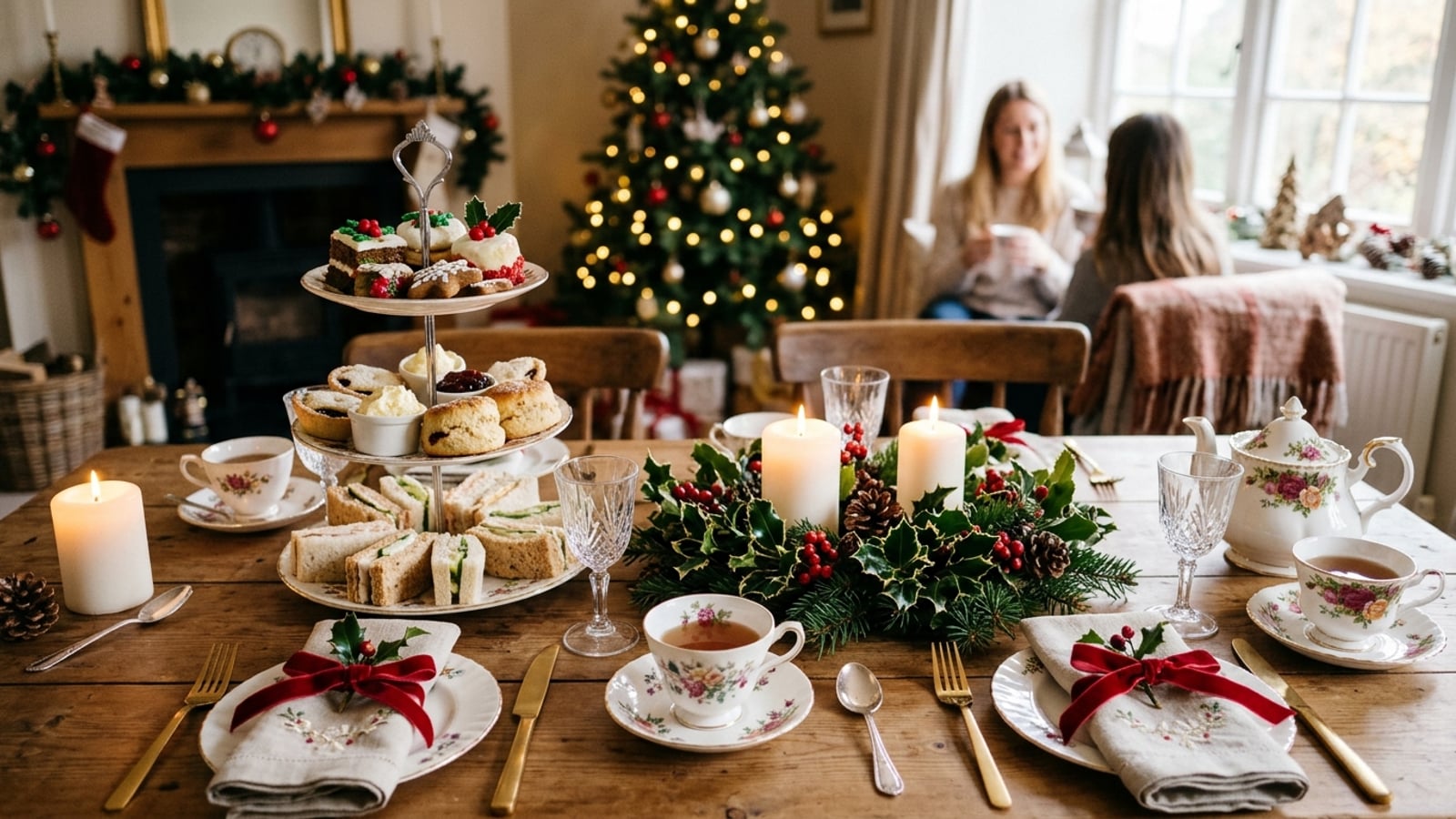
A Christmas tea party is one of the most elegant — and surprisingly easy — holiday gatherings you can host. The format does most of the work: a tiered stand of food, a pot of beautifully fragrant tea, and a table dressed for the season creates an atmosphere that feels effortlessly special. No cocktail bar to manage, no complicated menu. Here's how to pull it off from invitation to last scone.
When to Host It and How Many Guests to Invite
Afternoon tea is traditionally held between 2 and 4 p.m. — late enough that guests aren't expecting a full meal, early enough that the event wraps before evening. Plan for the gathering to last about two hours. That's plenty of time to work through three courses of food and a pot or two of tea without anyone getting restless.
Keep your guest list to around eight people if you want a relaxed host experience. That's small enough to pour tea and chat with everyone, but fills a table nicely. If you're hosting a larger group — say, twelve to sixteen — shift to a buffet-style layout where guests help themselves from one long table rather than relying on individual tiered stands.
Send invitations at least three to four weeks before the date. December calendars fill fast, and a last-minute tea party invitation — however charming — will likely lose to the dozen other holiday commitments your guests have already made. If you're hosting in mid-December, invitations should go out no later than the third week of November.
Get Your RSVPs Early — Food Portions Depend on It
Unlike a buffet party where you can roughly scale up, a tea party is portioned individually: each guest gets a tiered stand (or a set number of sandwiches, scones, and sweets from a shared spread). That means headcount matters. A firm RSVP deadline at least five days before the event gives you time to shop and prep accurately.
When you collect RSVPs, ask about dietary restrictions at the same time. Tea party food has real allergen exposure — dairy in scones and cream, gluten in nearly every item. Knowing in advance lets you prepare one or two substitute options rather than scrambling on the day.
Create your Christmas tea party invitation on freeinvitelinks and collect RSVPs and dietary preferences in one place — guests respond online, and you see the headcount update in real time.
For wording ideas, the Christmas party invitation wording guide has templates you can adapt, including options for formal and casual tones. See how a tea party invite looks with the tea party sample invitation.
Tea Selection: Offer Three Options
The tea itself is the centerpiece of the event — treat the selection with the same care you'd give a wine list. Aim for three options that cover different preferences:
- A classic black tea: English Breakfast or Earl Grey. These pair well with milk and are familiar to guests who aren't regular tea drinkers.
- A spiced or seasonal blend: A cinnamon black tea, spiced chai, or a winter spice blend (cinnamon, cardamom, clove) puts the Christmas feel into the cup itself.
- A caffeine-free herbal option: Peppermint, cranberry hibiscus, or chamomile. Essential for guests who avoid caffeine, and a natural fit for a holiday table.
Pre-steep each tea in its own pot and label them clearly. Put a small sugar bowl and a pitcher of milk or cream at each end of the table so guests can self-serve after the initial pour. As host, pour the first round for your nearest guests to set the tone.
Food: The Three-Tier Structure
Traditional afternoon tea is served on a tiered stand with three distinct courses, each on its own tier. Working from bottom to top:
Bottom Tier: Finger Sandwiches
Plan for three to five varieties, all bite-sized with crusts removed. Classic options work beautifully with a Christmas twist: turkey with cranberry mayo, smoked salmon with cream cheese and dill, cucumber with herb cream cheese, and ham with whole-grain mustard. Prepare two to three sandwiches per person per variety — it sounds like a lot, but sandwiches are small and guests will graze.
Middle Tier: Scones
Cranberry-orange or cinnamon scones are the natural choice for a Christmas tea. Serve them warm if possible, with lemon curd, clotted cream or whipped cream, and a good strawberry jam. This is the most filling tier, so you don't need to overload it — two scones per guest is standard.
Top Tier: Sweets and Pastries
This is where the Christmas spirit shows up most visibly. Options that work well: gingerbread bites, peppermint macarons, petit fours decorated like tiny wrapped presents, holiday shortbread, mince pies, or miniature Yule log cakes. Choose three or four items and don't overthink it — the visual effect of a full top tier matters more than variety.
If baking from scratch isn't your thing, most of this tier can come from a good bakery. Focus your homemade energy on the scones, which are straightforward and taste significantly better warm.
Decor and Table Setting
The table does the decorating. A few intentional choices go a long way:
- A centerpiece of pine, holly, or eucalyptus with pillar candles or tea lights. Keep it low enough that guests can see each other across the table.
- Your best china, or a cohesive set of mismatched vintage cups — either works. The dishware signals that this is a special occasion, which guests feel immediately.
- Ribbon-tied cloth napkins at each place, in red, green, gold, or white.
- Miniature ornaments as place card holders that double as party favors. Guests leave with a small keepsake, which makes the gathering memorable.
Keep the color palette simple: classic red and green, an elegant white and silver, or deep jewel tones (burgundy, forest green, gold) for something more refined. Resist the temptation to pile on too much — the tiered stands and teapots already provide visual interest.
A Few Hosting Details That Make a Difference
Preheat your teapots before brewing by filling them with boiling water, letting them sit for a minute, then emptying. It keeps the tea at the right temperature significantly longer. Use place cards if you have six or more guests — it removes the awkward shuffle at the start and ensures the conversation flows around the table the way you planned.
Consider adding one light activity if the group would enjoy it: a small ornament exchange adds a gift element without the complexity of a full white elephant or Secret Santa. The ornament exchange hosting guide covers how to structure the exchange so it doesn't take over the party.
Finally, if any guests don't drink tea, have hot cocoa or mulled cider on hand as a backup — both fit the aesthetic without requiring an entirely separate setup. The goal is for everyone to feel welcome and unhurried, which is the best thing about the tea party format in the first place.
Ready to send invitations? See a Christmas party invitation example to get a feel for the right tone, then build your own free RSVP page in a few minutes.
Ready to create your event RSVP?
Build a beautiful event page in minutes. Share one link. Track every response in real time.
Create Your Free RSVP Link