Fourth of July Party Planning: A Complete Host's Guide for 2026
Everything you need to host a Fourth of July party: invitation timing, wording examples, food planning, drink setup, and how to lock in a headcount before July 4.
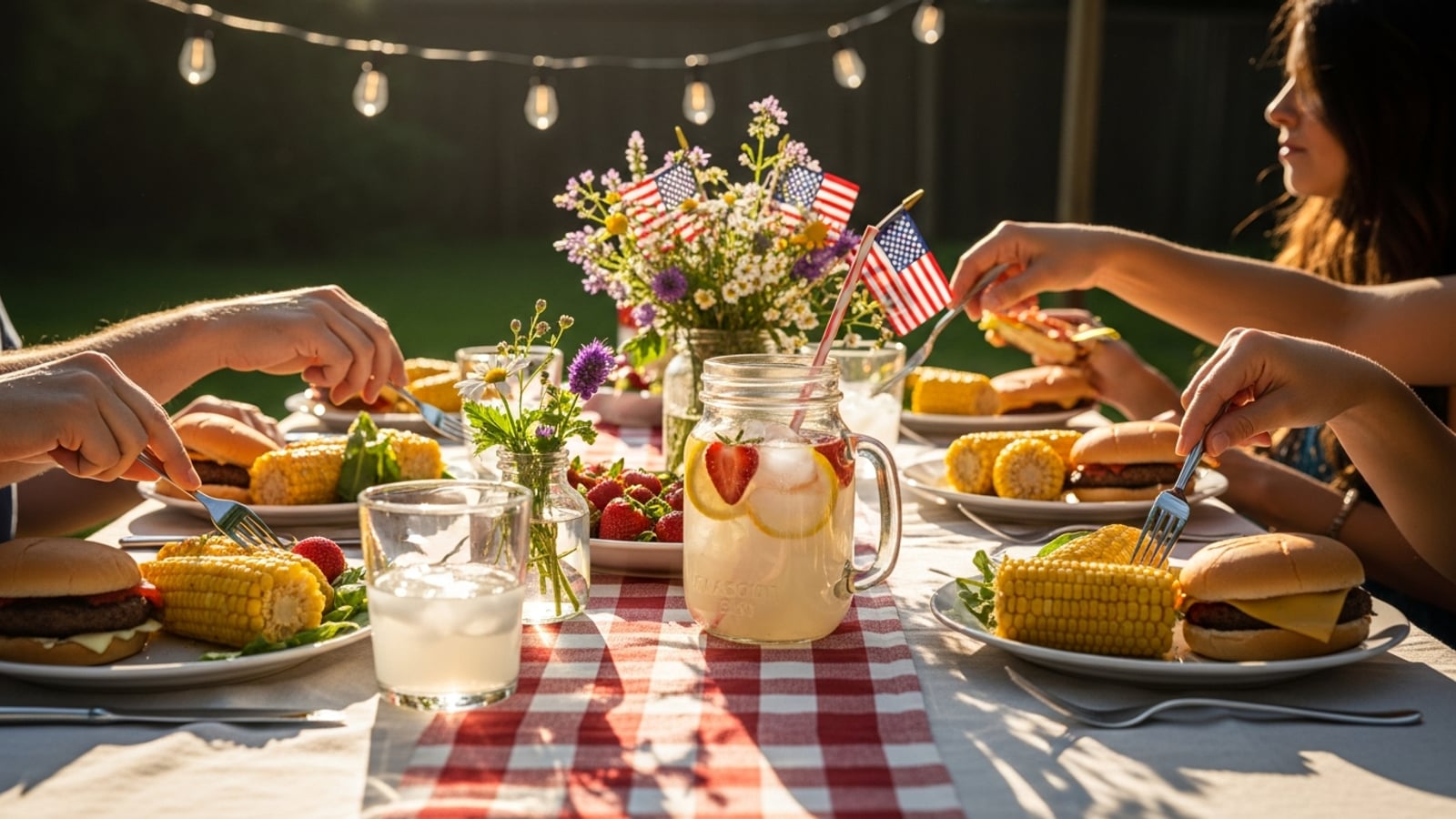
Fourth of July is the one holiday where the bar for a great party is the same whether you are hosting twelve people or a hundred: plenty of food, cold drinks, somewhere comfortable to sit, and ideally a view of fireworks. The logistics, though, require actual planning — especially this year.
July 4, 2026 marks the 250th anniversary of the signing of the Declaration of Independence. That means more people than usual will be making plans early, weekends will fill up faster, and if you want your friends and family together you need to move first.
Send Invitations Earlier Than You Think
Fourth of July falls on a Saturday in 2026, which means a lot of people will be fielding multiple invitations for the same weekend. For a casual backyard cookout, send invitations three to four weeks out — that puts you in guests' calendars before competing plans stack up. For a larger or more formal event, four to six weeks gives people enough time to make any necessary travel arrangements.
The fastest way to get a confirmed headcount is a dedicated RSVP page. Rather than asking guests to text or email back, create a free invite link that collects every response in one place. You will know exactly how many people are coming without playing phone tag.
For timing rules that apply beyond the Fourth, read our full guide on when to send party invitations.
What to Include in Your Invitation
A Fourth of July invitation needs these five things to avoid follow-up questions:
- Date and day of week. Write both — "Saturday, July 4" removes all ambiguity.
- Start time and an end time (or anchor). "4 p.m. until fireworks" tells guests exactly what the evening looks like.
- Location. A full address or a map link — not just "our house."
- What to bring. If you want potluck sides, say so. If guests should bring their own beer or a lawn chair, mention it upfront.
- RSVP deadline. "Please RSVP by June 27" works far better than "let us know if you can make it." Give yourself at least a week between the deadline and the party to plan food quantities.
Wording examples
Casual cookout: "Come celebrate the Fourth with us — burgers, cold drinks, and fireworks in the backyard. Saturday, July 4 from 4 p.m. Please RSVP by June 27."
More festive: "Join us for America's 250th birthday. Backyard cookout, sparklers, and an excellent playlist. Bring something to drink and a lawn chair. July 4, 4 p.m. until the fireworks end."
Keep the tone matched to your event. A cookout invitation can be casual and direct; a rooftop dinner party should sound a little more polished. Either way, skip the filler phrases — get to the point and tell people exactly what they need to know.
Plan the Food Around Your Headcount
Once your RSVPs are in, you have everything you need to order and cook the right amount. The standard Fourth of July spread works best in three layers:
- Arrival snacks. Guests arrive at different times on a holiday. Set out something that requires no effort to eat — chips, a dip, cut vegetables, cheese — so early arrivals are not just standing around while you are still at the grill.
- The main event. Grilled mains are the practical choice for a cookout: you can cook in batches and guests can eat on their own timeline. Plan for at least one substantial option per person, more if you expect big eaters or kids who will only touch hot dogs.
- Make-ahead sides. Potato salad, coleslaw, pasta salad, and fruit bowls can all be made the day before. The more you prep in advance, the less you are managing on the day itself.
For a potluck-style gathering, assign categories rather than specific dishes — "a salad or cold side," "a dessert," "something to drink." Specific categories prevent you from ending up with four bags of chips and no serving utensils. See our full guide on how to run a potluck for the complete coordination strategy.
Set Up Drinks Before Guests Arrive
Drink logistics are the part most hosts underestimate. A practical setup: two coolers, one for non-alcoholic options (sparkling water, soda, lemonade) and one for beer and other cold drinks. Stock and ice them the night before if possible — a fully iced cooler holds temperature far longer than one iced an hour before the party, and in July heat that difference matters.
Make one large-batch drink that guests can pour themselves. A pitcher of lemonade with fresh strawberries, a big batch of sangria, or a simple sparkling punch all work well and dramatically reduce the "what do you have to drink?" question during the first hour.
Set Up the Space for the Whole Evening
Most Fourth of July parties run from the afternoon into the late evening — a long span that requires thinking about the space in phases:
- Shade in the afternoon. If your outdoor space bakes in direct sun, set up an umbrella or pop-up canopy over the main seating area. Guests who overheat leave early.
- Lighting as it gets dark. String lights, lanterns, or simple solar path stakes make the space usable and inviting after sunset. They also signal to guests that the party is still going.
- Room for kids to move. If families with children are coming, a clearly defined open area or a few lawn games keeps the energy organized and the adults comfortable.
If you are hosting a smaller, more intimate version — a rooftop gathering or a porch dinner — see what a free RSVP invite looks like for a casual gathering to get a sense of what guests see when they respond.
Handle Late RSVPs Without Stress
Even with a clear deadline, some guests will respond after the cutoff — or not at all. Give yourself permission to stop counting after your deadline and plan for the number you have confirmed. If stragglers reach out afterward, the answer can simply be: "We are past our headcount, but you are welcome to join us."
For guests who went silent, a single short follow-up tends to shake loose a yes or a no. Our RSVP reminder wording guide has exact phrasing you can copy and send.
Fireworks and Sparklers: A Quick Note
If you are planning consumer fireworks or sparklers, check your local ordinances before you buy anything — rules vary widely by city and county, and in drought-prone areas they may be prohibited. Sparklers are the safest option for backyard use and are legal in most states, but they burn extremely hot. Keep a bucket of water nearby, hand them only to adults or closely supervised older children, and have a bucket of sand for spent sticks to make cleanup easy.
The One Thing That Makes the Biggest Difference
Almost every Fourth of July hosting mistake — running out of food, scrambling at the last minute, not knowing how many people are actually coming — traces back to a vague headcount. The earlier you send your invitations and the easier you make it for guests to respond, the more smoothly everything else falls into place.
If you have not started yet, set up your free RSVP page now — it takes two minutes and gives you a shareable link you can text, email, or drop wherever your guests are.
Ready to create your event RSVP?
Build a beautiful event page in minutes. Share one link. Track every response in real time.
Create Your Free RSVP Link