
How to Plan a Baby Shower: A Complete Host's Guide
Everything you need to plan a memorable baby shower — timing, guest lists, invitations, food, games, and modern etiquette. A practical guide for first-time hosts.
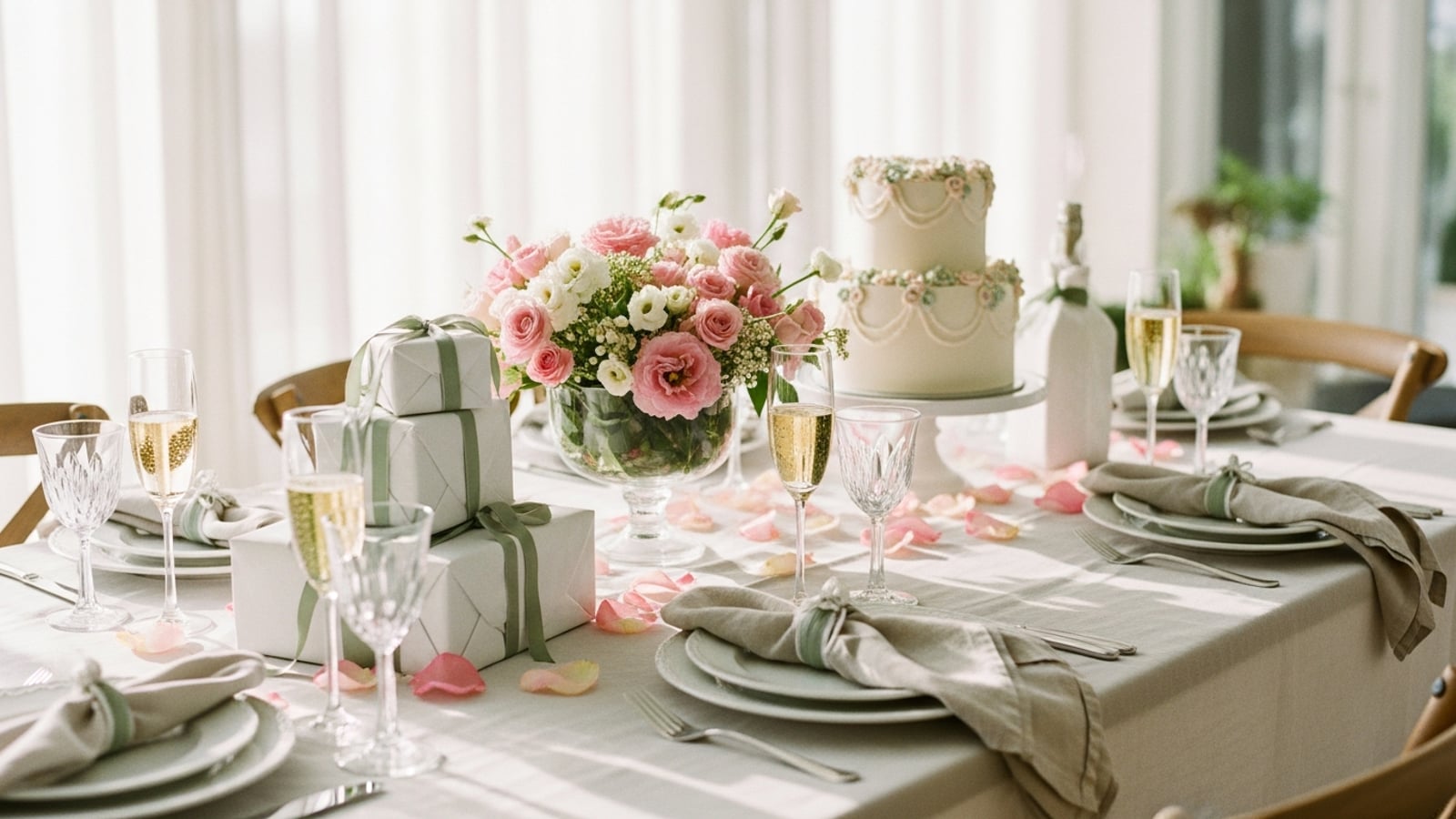
Planning a baby shower for someone you love is a meaningful responsibility. Done well, it gives the parents-to-be a warm sendoff into parenthood and a chance to feel celebrated by the people who matter most. The logistics are manageable — you just need a clear plan and enough lead time to pull it off without stress.
Who Should Host a Baby Shower
Traditional etiquette held that a close friend — not a family member — should host, to avoid any appearance of the family throwing a party in their own favor. That rule has softened considerably. Today, anyone close to the expectant parent can host: a sister, a best friend, coworkers, the mom-to-be herself, or multiple people co-hosting together. What matters is that the host coordinates with the expectant parent rather than surprising them with an event they did not agree to.
Co-hosted showers are increasingly common, particularly when the guest list spans different social circles — a work group, a college friend group, and family might each want to celebrate. Splitting the planning and cost makes hosting far more manageable for everyone involved.
The host's job covers everything: the venue, the invitations, the food, the games, and the setup. The guest of honor's job is to provide the registry and a list of potential invitees — and then show up and be celebrated.
When to Schedule the Shower
The consensus sweet spot for a baby shower is during weeks 28 to 32 of pregnancy — early to mid third trimester. At this stage the pregnancy is well established, the mom-to-be can still travel and sit comfortably for a few hours, and there is enough runway to use gifts before the baby arrives. Waiting past 36 weeks is risky: late pregnancy brings fatigue, swelling, and unpredictability that can undermine everyone's enjoyment.
For twins or multiples, schedule earlier — around weeks 24 to 28 — since early delivery is more likely.
On the planning side, start eight to ten weeks before the shower date to give yourself time to book a venue, design invitations, and coordinate details without pressure.
Building the Guest List
Always build the guest list with the expectant parent's input — this is their celebration, not yours. Ask who they want there before you reach out to anyone. Some people prefer an intimate gathering of fifteen or fewer; others want the whole extended family and every coworker they have ever had lunch with. There is no right answer, but the guest of honor's preference takes precedence.
Practically speaking, your venue limits your headcount. A living room can comfortably hold twenty guests for a seated event; a restaurant private dining room might fit forty. Nail down the venue concept before you finalize the list so you are not inviting sixty people to a space designed for thirty. Our guide on managing your event guest list has practical tools for tracking RSVPs and headcounts as responses come in.
Invitations and RSVPs
Baby shower invitations include one detail you would omit from most other events: registry information. Unlike a wedding invitation — where including registry details is traditionally considered forward — mentioning the registry on a baby shower invite is expected and helpful. A simple line such as "Registered at [store]" or a link is all you need.
Send invitations six to eight weeks before the shower. For guests who must travel, push that to eight to ten weeks. Set the RSVP deadline two to three weeks before the shower so you have time to finalize your headcount with your caterer or food plan. See our full guide on when to send party invitations for a complete timing breakdown by event type.
Your invitation should cover:
- Date, time, and location — include the day of the week alongside the date
- Who is being honored — the parent-to-be's name and the expected month of arrival
- RSVP deadline and link — guests should RSVP to the host, not the guest of honor, so logistics stay off the expectant parent's plate
- Registry info — store name, website, or a QR code
- Special notes — dress code if relevant, whether children are included, a dietary info request
For wording templates and examples, see our full guide on baby shower invitation wording. A dedicated RSVP link makes it easy for guests to confirm in one click and lets you track responses in one place — create a free baby shower RSVP page and your guests can respond in under a minute.
Choosing a Venue and Format
Most baby showers happen at a private home, but restaurants, community spaces, and event venues all work well — especially when the guest list is large or no one has a suitable space. Restaurant private dining rooms offer built-in catering and setup, which meaningfully reduces the host's workload. Preview a live baby shower RSVP example to see what guests experience when responding online.
Think about format early:
- Traditional shower — guests gather for brunch or lunch, games, and gift opening. Typically late morning to early afternoon.
- Co-ed shower — partners and male friends are included, often with a backyard or evening format. Sometimes called a couples shower or diaper party.
- Work shower — held during a lunch hour at the office. Shorter and more informal, with cake and cards rather than a full program of games.
- Sip and See — held after the baby is born so guests can meet the new arrival. Requires the parents to be ready for visitors in the early newborn weeks.
- Baby sprinkle — a scaled-down shower for a second or later baby. Smaller guest list, no formal registry (consumables like diapers and onesies preferred), focus on celebrating rather than gifting. Fully etiquette-approved.
Food and Drinks
Baby showers most commonly happen at brunch or lunch, which keeps the food manageable and the event at a civilized hour. A spread of finger foods — mini sandwiches, quiche bites, fruit skewers, sliders, a cheese board — works better than a plated meal because guests can mingle and graze throughout. Save the seated portion for games and gift opening.
A few practical notes:
- Always offer sparkling water, lemonade, or a festive punch alongside any alcoholic options. The guest of honor typically is not drinking, and she should not feel like the odd one out at her own party.
- A celebratory cake or cupcakes at the end of the event creates a natural closing moment and a good photo opportunity.
- Ask about dietary restrictions in your RSVP form. A note like "Please share any dietary needs" on the invitation saves you from last-minute scrambling.
Games and Activities
Games are optional but add real energy to what might otherwise become a long gift-opening session. Plan two or three — not five — and keep each one short. The best shower games do not require elaborate setup or embarrass anyone.
A few that consistently work:
- Baby bingo — guests fill in bingo cards with gift predictions before the opening begins and cross off items as presents are unwrapped. Keeps the whole room engaged during the gift portion.
- Diaper raffle — note on the invitation that guests who bring a pack of diapers earn a raffle ticket; draw prizes during the shower. Practical for the parents, exciting for guests.
- Don't say "baby" — each guest gets a clothespin at arrival; anyone who says the word "baby" loses their pin to whoever caught them. The guest with the most pins at the end wins. No setup required, and it runs the whole party.
- Baby predictions — guests write predictions (birth weight, date, hair color, first word) on cards. No winner, just a meaningful keepsake for the parents to open later.
- Who knows mommy best — the host prepares trivia questions about the expectant parent; guests write answers and the highest score wins. Personal, warm, and generates genuine laughs.
Gift Opening: Keep It or Skip It
Opening gifts at the shower is traditional and gives the guest of honor a chance to acknowledge each person's contribution personally. But for a large shower, it can stretch the event past three hours and lose the room's attention. Some modern hosts skip in-person gift opening entirely, letting guests mingle more freely while the parents open everything at home.
Neither approach is wrong — just be consistent. If you open gifts at the shower, designate someone to write down who gave what as each package is opened. That list is essential for accurate thank-you notes later.
After the Shower: Thank-You Notes
The expectant parent is responsible for sending thank-you notes — typically within two to three weeks of the shower. A handwritten note is ideal, but a genuine personalized email is also acceptable, especially once a newborn has arrived. The key is to mention the specific gift and how it will be used. Generic acknowledgments miss the point of a personal gesture.
Host tip: whoever recorded the gifts during the shower should hand that list directly to the parents-to-be immediately after the event, organized by guest name and address. Sorting through unlabeled gifts after the fact — or trying to remember who gave what — delays every thank-you note that follows.
The Short Version
Schedule the shower during weeks 28 to 32 of pregnancy. Send invitations six to eight weeks before the event with registry details and an RSVP link. Work with the guest of honor on the list, choose a venue that fits your headcount, plan simple food for grazing, and add two or three games to keep the energy up. The rest is details.
If you are ready to set up your RSVP page, get started free — no credit card, and guests can confirm in under a minute. For more on shower planning, see our guide on how to plan a bridal shower for a look at the etiquette and logistics behind another major pre-baby celebration.
Ready to create your event RSVP?
Build a beautiful event page in minutes. Share one link. Track every response in real time.
Create Your Free RSVP Link