Plus-One Party Etiquette: A Host's Complete Guide
Who gets a plus-one, how to word invitations, and how to handle requests gracefully. A complete host's guide to plus-one party etiquette.
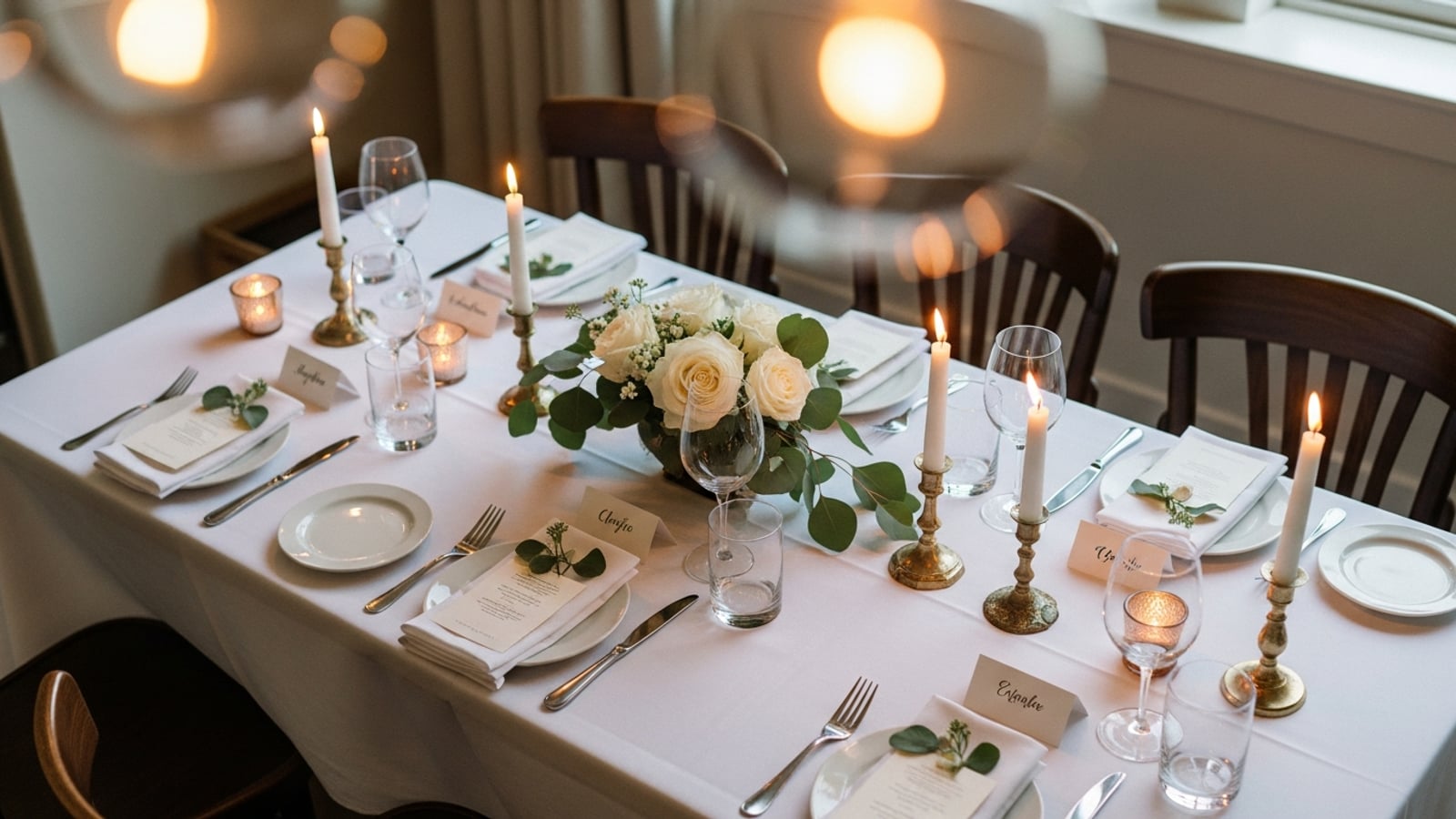
Every host eventually faces it: you have a firm headcount, a table that seats twenty, and a guest who texts to ask if they can bring someone. Or you notice a guest has RSVPed for two when you addressed the invitation to just one person.
Plus-one decisions are one of the most common sources of party-planning stress — and most of the confusion comes from a policy that was never stated clearly in the first place. Here is how to get it right from the start.
Set Your Policy Before You Send a Single Invitation
The most important rule of plus-one etiquette is to establish your policy before invitations go out, not after the requests start arriving. Decide two things early:
- Who gets a plus-one? (See below for the traditional breakdown.)
- Will the policy be consistent? If one person in a group gets a plus-one, everyone in that same category should. Inconsistency creates hurt feelings faster than a strict no-plus-one rule ever would.
Once you have a clear policy, communicate it through the invitation itself — not as a separate conversation after the fact. When you create your RSVP page, you can configure exactly how many guests each invitee can register, which removes all ambiguity before the questions start.
Who Traditionally Gets a Plus-One?
Traditional event etiquette, as outlined by sources like The Knot and the Emily Post Institute, groups guests into a few clear categories:
Always give a plus-one
- Married guests — their spouse is always invited. An invitation addressed to a married person without their partner is considered a significant social slight.
- Engaged guests — their partner should always be included. You would not invite half of an engaged couple.
- Guests in a committed long-term relationship or living together — this is standard practice at most events. If someone has been with their partner for years, it is awkward and a little unkind to exclude that person.
Use your judgment
- Guests who won't know anyone else at the party — for example, a coworker you invited to a friend group gathering. Giving them a plus-one means they will have at least one person to talk to and relieves you of the responsibility of keeping them company all evening.
- Wedding party members — by convention, members of the wedding party typically receive a plus-one regardless of relationship status. If you extend this to one member, extend it to all.
- Out-of-town guests — guests traveling significant distances often appreciate being able to bring a companion, especially if they do not know the crowd well.
No plus-one needed
- Guests who know everyone already — if someone is part of a close-knit group where they know and love every person on the list, a plus-one is often unnecessary and may actually make the gathering feel less intimate.
- Casual small gatherings — dinner parties with eight people, game nights, potlucks: these are often better at a fixed size. No one expects a plus-one for a dinner party at someone's home.
How to Communicate Plus-Ones on Your Invitations
The clearest way to signal who has a plus-one is through the invitation address itself:
- If the guest has a plus-one: address the invitation to "Jane Smith and Guest" — not "plus-one," not "a friend." "And guest" is the standard, recognized phrase. The inner envelope or RSVP card can add: "You are invited to bring a guest."
- If the guest does not have a plus-one: address the invitation to the person's name only. Most guests will understand that "Jane Smith" means only Jane is invited.
For digital invitations or RSVP links, name the invited parties at the start of the message so there is no ambiguity. If only one person is invited, greet them by name and do not reference a guest anywhere in the invitation text. See our invitation wording guide for full templates across event types.
One note: etiquette sources including The Knot advise against writing "No plus-ones" directly on the invitation. It implies you do not trust your guests to read the invitation correctly, and it creates a negative tone. Communicate the policy through what the invitation says (or does not say) rather than what it prohibits.
A particularly elegant technique for sit-down dinners and formal events: on your RSVP card or form, pre-fill the number of seats reserved for each guest — "We have reserved 1 seat in your honor" or "We have reserved 2 seats in your honor." This communicates the headcount clearly, without any awkward policy language.
Wording for different plus-one scenarios
When you want to make your plus-one policy explicit — particularly for larger events where it might not be obvious — a short note on the RSVP page or invitation works well. Here are some options:
"Couples welcome — please RSVP for yourself and your partner."
"Due to limited seating, we are only able to accommodate guests named on this invitation. We hope you understand!"
"We would love to meet your partner! You are welcome to bring one guest — just let us know in your RSVP."
For a birthday party RSVP, you might keep it casual: "Feel free to bring a plus-one — just add them to your RSVP so we have an accurate count!" For a wedding RSVP, clearer and more formal language is usually appropriate given the seating and catering stakes.
How to Handle Plus-One Requests When Your Policy Is No
Even with a clear policy, some guests will still ask. When they do, be warm but consistent. The goal is to hold your line without making anyone feel singled out.
Language that works:
"We so wish we could have everyone's partners there! Unfortunately we are at capacity — the venue/table/budget only allows for the guests we have named. We really hope you can still join us!"
"We are keeping this one to a close circle and do not have room for additional guests. We hope you understand, and we can't wait to see you there!"
Two things matter here: you are applying the policy to everyone (which you can mention honestly if it helps), and you are leaving the door open for them to still attend. Most guests, once they understand the policy is consistent and not personal, will accept it gracefully.
If someone pushes back, it is fine to repeat yourself once without elaborating further. A longer explanation can feel like an invitation to negotiate. Keep it brief and kind.
What to Do When a Guest Arrives With an Uninvited Plus-One
Despite your best communication, someone may show up with an unannounced guest. Emily Post's guidance here is straightforward: be gracious. No considerate host turns an unexpected guest away at the door — the awkwardness and ill will that creates far outweigh the inconvenience of an extra person.
Welcome them warmly in the moment and address the situation privately with your guest later, if at all. For events where the headcount is truly fixed (a catered sit-down dinner, for instance), a quick word with the event staff can sometimes resolve logistics quietly. Save the harder conversation for after the event if you need to have it at all.
Plus-One Etiquette for Guests
If you are attending rather than hosting, the rules are simple:
- Check your invitation before assuming. If it says "Jane Smith and Guest," you have a plus-one. If it says "Jane Smith," you do not.
- Ask directly if you are unsure — before RSVPing. A quick message to the host is far better than RSVPing for two without permission. Most hosts appreciate being asked.
- RSVP for both people if you have a plus-one. Do not RSVP for yourself and plan to mention the plus-one later. The host needs the count from the start.
- Never just show up with someone. Bringing an uninvited guest without any notice puts the host in a genuinely difficult position, no matter how good your intentions.
For more on good guest behavior around RSVPs, see our complete RSVP etiquette guide.
The Bottom Line
Plus-one decisions come down to two things: a clear policy decided in advance and consistent, warm communication. When guests know what to expect from the invitation itself, most requests and awkward conversations never happen.
Set your policy, build it into the invitation, and let your RSVP system do the work. When you set up your event page, you can configure the maximum number of guests per invitee — so the form itself communicates the policy without any additional explanation needed.
Ready to create your event RSVP?
Build a beautiful event page in minutes. Share one link. Track every response in real time.
Create Your Free RSVP Link